
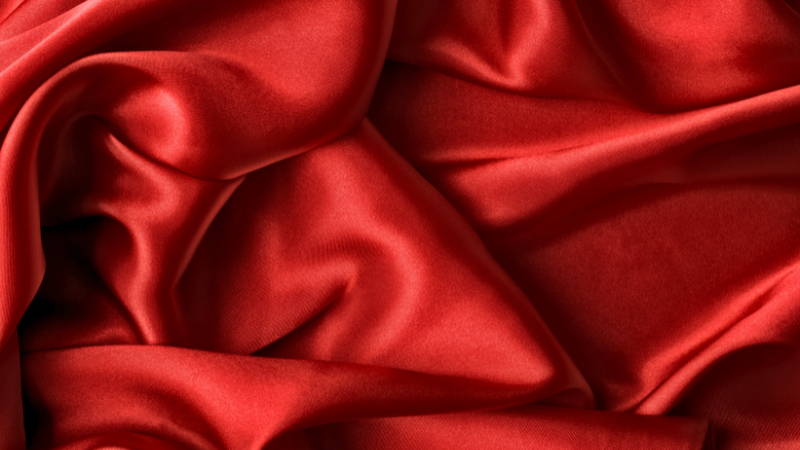
The cupro fabric is a product that holds a special and interesting place in the luxury textile world. It is renowned due to its luxurious and silky smooth texture and the high quality of the drape, which provides designers with a vegan silk, cruelty free alternative to natural silk. However, the real luxury of cupro material, a semisynthetic textile based on a natural fiber, is that it is made of the regenerated cellulose fiber, which is a byproduct of the cotton industry, which is a ubiquitous waste that is discarded to the ground.
It is this transformation of semi synthetic textile derived cotton waste into a high-quality sustainable fabric that makes us refer to cupro as the hidden luxury fiber. The guide provided below will assist you in knowing what cupro actually is, the closed loop manufacturing process that is unique and converts the cupro fiber into a living being, the performance features and challenge the performance in terms of the greater world of sustainable fabrics.
What Is Cupro Fabric?
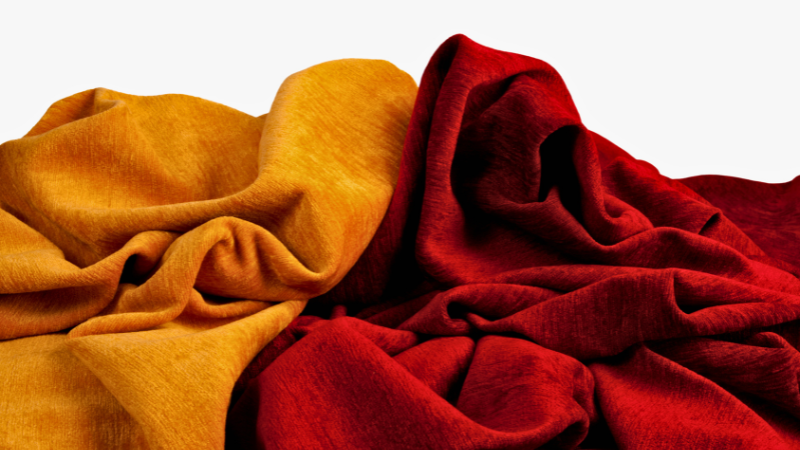
Cupro is a recycled cellulose fiber created with the help of cotton linter, which is also referred to as ammonia silk or cuprammonium rayon. Linter are the small, fuzzy, unusable short fibers which stick to pima cotton seeds during the primary ginning step of the organic cotton plant. Since these raw materials are obtained directly by a natural source of material (cotton), cupro is 100% bio-based and biodegradable, which is a significant aspect in the contemporary sustainability practice.
Cupro is chemically a member of the family of rayon fabrics fibers, which are formed by dissolving natural cellulose and extruding it into filamentous form. Cupro does however have a different solvent process that produces a far finer and smoother fiber structure than old viscose rayon. It is this technical difference that makes cupro attain its signature qualities: a sheen and texture so soft and smooth that it is a vegan silk substitute and cruelty-free silk substitute to silk and offers the luxury properties of animal fibers with fewer ethical issues.
The production of cupro fibre started in the late 19th century. The most well known and environmentally friendly manufacturer today is the Bemberg™ by Asahi Kasei Corporation in Japan, whose brand name is now commonly used interchangeably with the finest Cupro fiber.
How Is Cupro Fabric Made?
The cupro fabric sustainable manufacturing process is a high-end example of circular economy thinking and is an effective way to turn cottonwaste mixtures into a high-quality textile. This process, which is referred to as the cuprammonium rayon process, is founded on the solubility of the natural material in a cuprammonium solution, a blend of copper salt and ammonia.
1. Sourcing the Raw Material
It starts with cotton linter, which are the short fibers that are left after the commercial cotton harvest. In contrast to the long fibers that are used to make cotton fabrics and yarns, linter is too short to be spun directly. Through the use of this rich byproduct or waste, the production of cupro reduces the total resource footprint of cotton agriculture, and value is generated out of a waste stream.
2. Dissolution: The Cuprammonium Solution
The purified and washed cotton linter is dissolved in the specialized cuprammonium solution that is made of copper salts (typically copper sulfate) and ammonia. This ammonia copper solution is a thick, viscous liquid known as the spinning dope. Even the word, “Cupro” is based on this essential copper-ammonia solvent. This process is quite different to the caustic soda and carbon disulfide employed in the traditional manufacturing of viscose.
3. Regeneration: Extrusion and Wet Spinning
The spinning dope is then pumped through a spineret (equipment of fine nozzles) into chemical hardening baths, where the cellulose is reused, or reformed, into filaments.
- Wet spinning: Cupro is made by wet spinning, in which the filament (solidifies) in the bath.
- Stretching: The fibers are lengthened and stretched to a high degree during the regeneration process. This stretching is essential, because it brings the fibers of the cellulose into a perfect alignment, which produces the fine gauge, round cross-section, and the unsurpassed smoothness of the Cupro fiber. The fibers are then spun into yarns.
4. Finishing and Washing
Lastly, the resulting filaments are well washed to eliminate all the traces of copper and ammonia compounds. It is the capability of the producer to recycle and reuse these chemicals (as it is described in the sustainability section) that makes the eco-friendly cupro stand out of the older and less responsible approaches. These fibers are then dried and are twisted into yarns and are prepared to be woven or knitted into a finished cupro fabric.
Key Properties of Cupro Fabric
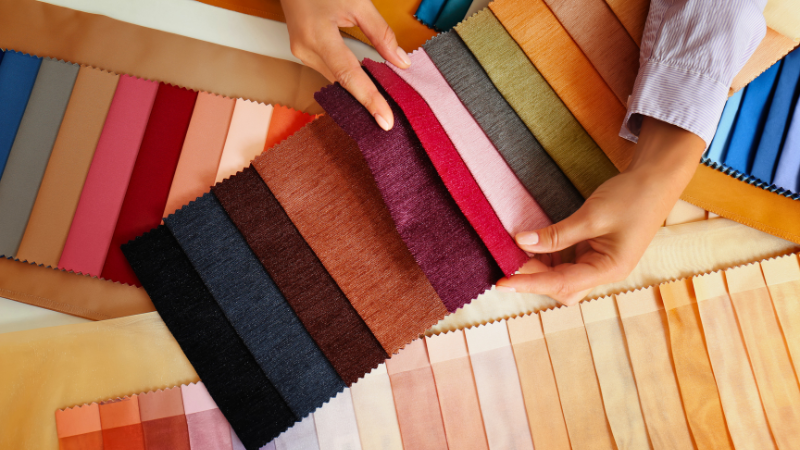
Its special structure, clean, uniform, and rounded cross-section, gives cupro a number of desirable properties, which is why it is a material popular among high-end designers.
| Property | Description | Benefit for Garments |
|---|---|---|
| Silky Smooth Feel | Uniformity and fineness of the fiber make it slide over the skin, resulting in a soft touch and smooth feel in the hands of the person, just like silk. | Feels much more comfortable and luxurious to the touch, as well as being less expensive than silk. |
| Exceptional Drape | Cupro is known to have fluid and beautiful drape in its nature and this allows the garments to move elegantly. | Perfect with high-end blouses, linings and evening wear. |
| Breathable | The fiber structure can absorb and release moisture very fast, preventing the heat build-up. | Makes the wearer cool and dry, hence it can be used in the warm weather and during active use. |
| Antistatic & Hypoallergenic | Cupro is antistatic and its smooth surface is soft to the sensitive skin. | Lessens the clinginess and irritation, ideal to be used as a lining and close-to-skin wear. |
| Dye Vibrancy | Cupro takes dye with unsurpassed richness and luster to produce rich and permanent colors. | Ideal in high-fashion garments when saturation of colors are a major concern. |
| Biodegradable | The material is made 100% of plant-based cellulose and naturally it returns to the earth. | Less end-of-life effect, circularity. |
The Silky Tactile Experience
When talking about cupro, the first thing that comes to mind is its silky smooth feel. Cupro resembles the lightness and shininess of silk, unlike the cotton, which is twisted and contains a rougher fiber structure, or synthetic fabrics, such as polyester. This is the main reason why it is used as linings in custom jackets and suits; it enables the shell material to slide freely against the undergarment of the wearer, creating no friction and making it more comfortable.
Cupro vs. Other Cellulosic Fibers
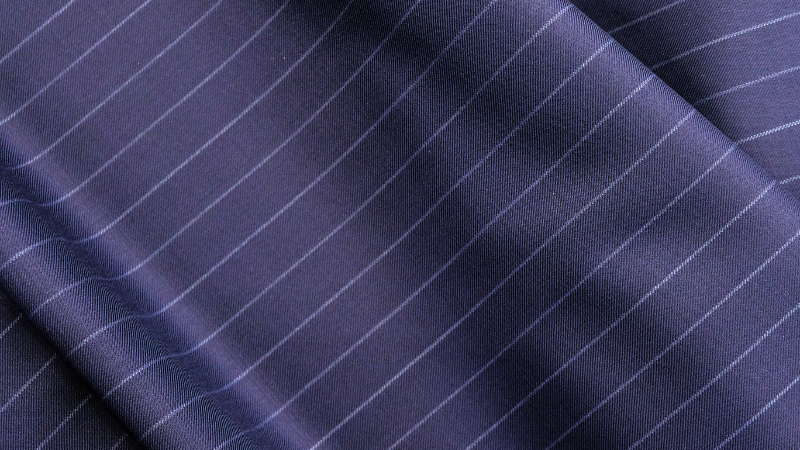
To position cupro material properly in the market, we need to compare its similar properties and production process with the closest relatives: other regenerated cellulose fiber families. Although all these fibers are made of wood pulp or cotton cellulose, the dissolution process of these fibers changes the end product radically.
| Feature | Cupro | Viscose Rayon (Generic) | Tencel (Lyocell) |
|---|---|---|---|
| Raw Material | Linter (byproduct waste) Cotton linter. | Wood pulp (various sources) | Wood pulp (high sustainability Eucalyptus) |
| Texture | Silky, classy, smooth, great drape. | Soft, multifunctional, easily wrinkled. | Fluid, smooth and cool hand-feel, a little matte. |
| Core Solvent | Cuprammonium is a complex solvent formed between copper and Ammonia. | Carbon Disulfide (CS?) Toxic | NMMO (Amine Oxide) Non-toxic, Recycled |
| Sustainability Rating | Moderate to High (recycle, ability to have a closed loop system) | Low-Moderate (High toxic chemical footprint). | Highest (Low water/energy use, closed-loop, high water/energy efficiency) |
| Fiber Strength | Moderate (Delicate silk garments, feeble when wet) | Low (Weak, low durability) | High (Extraordinarily durable, powerful in wet conditions) |
| Common Uses | Luxury linen linings, hemp silk blouses. | Dresses, blouses, low cost clothes. | Luxury clothing, bedding, sportswear. |
Contrasting the Process
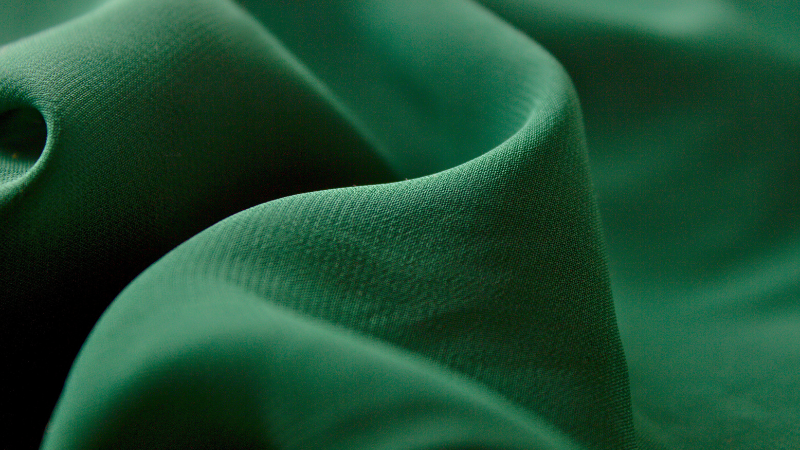
The primary distinction is the process of solvents production:
- Viscose Rayon has the highest environmental footprint due to the use of carbon disulfide traditionally, and low solvent recovery causing high emissions and toxic release to the environment.
- Tencel (Lyocell) is the environmental leader because its closed-loop system, based on non-toxic NMMO solvent, is almost 100% efficient.
Although its copper ammonia solvent is not toxic like NMMO, the current Bemberg ™ Cupro uses a highly efficient closed loop system that recycles 99% of the chemicals and copper, which reduces its effect on the environment significantly and uses a resource that other fabrics do not take into account, a waste resource (cotton linter). This has seen it become a substitute for generic rayon.
Advantages and Disadvantages of Cupro
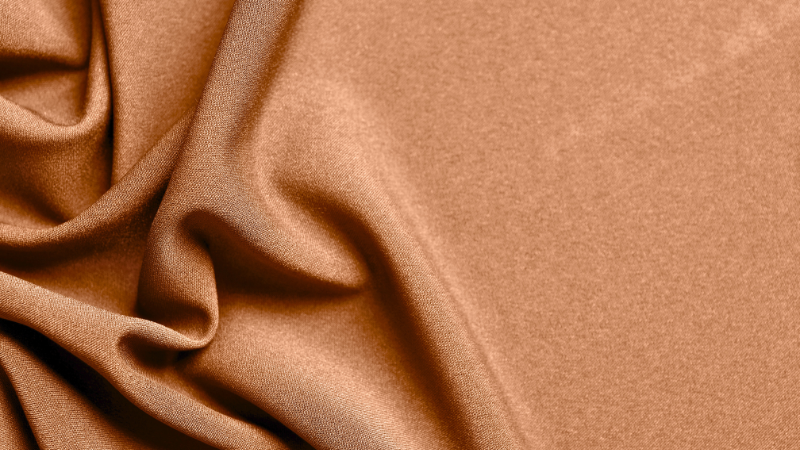
To designers who may want to use Cupro material in their collections in the fashion industry, it is important that a balanced perspective on the practical advantages and constraints are taken.
- Sustainable sourcing benefit: Cupro is possibly the most extreme form of upcycling in the fiber industry. The raw material is cotton linter, the agricultural waste byproduct, and this will considerably decrease the pressure on virgin resources and encourage the model of circular economy. This is central to sustainable positioning of cupro fabric.
- Aesthetics and hand-feel: It provides the upmarket appearance and feel of silk, and its lustrous sheen and flowing drape at a lower price bracket, it fits the luxury apparel that needs a soft, elegant touch perfectly. It is a real cruelty-free choice.
- Thermoregulation: The natural breathability and high moisture-wicking capabilities of the fiber ensure that it is very comfortable in different climates. It thrives well in the tropical climates, where humidity along the skin is crucial to control.
- Hypoallergenic quality: The smooth and uniform structure of the fiber is soft and is an ideal lining material to persons with sensitive skin or allergies.
Disadvantages and Production Considerations
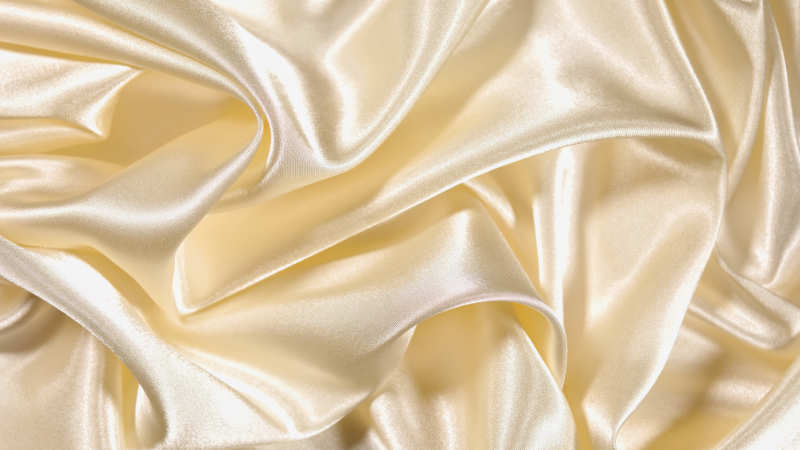
- Chemical management requirement: Despite the fact that the modern Cupro is prepared through a very effective closed-loop process, the first step is based on copper and ammonia compounds. The effluent is a high environmental risk, and this has led to the need to select only certified producers, without the rigor of a closed-loop system recovery.
- Wet strength: Cupro is a fragile material. Similar to most cellulose fibers, its tensile strength is reduced dramatically when wet, and hence must be carefully washed and handled. It is not tough or hard as the synthetic fibers such as polyester or nylon. It would be best to treat it like fine silk clothes.
- Creasing: Cupro fabric is a type of fabric that folds easily because it has a soft and silky texture and fluid drape, and sometimes needs light steaming or light pressing.
Common Applications of Cupro Fabric
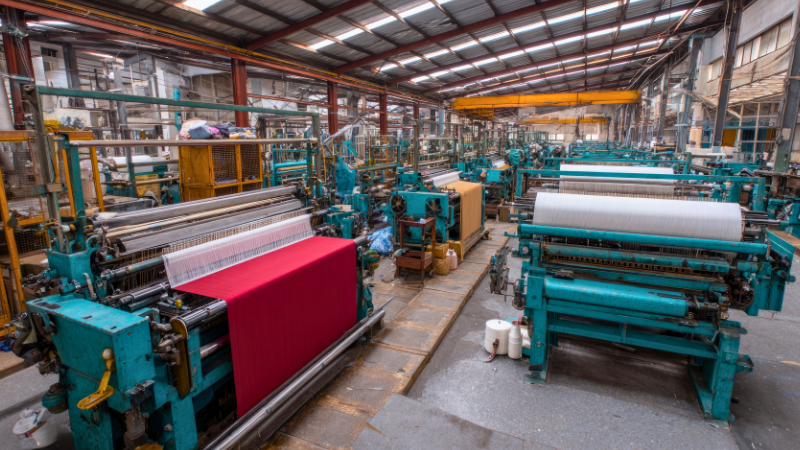
Cupro is more attractive to designers who require the luxurious look, breathability, and the powerful sustainability narrative, particularly as a vegan substitute of silk.
Fashion and Apparel
- Linings: This is probably the most popular and the best application of Cupro fabric. It has antistatic qualities and unbelievable smoothness that enables shell fabrics (such as wool or polyester in suits and jackets) to fall perfectly and do not cling.
- Blouses and dresses: This is ideal in flowing tops, elegant evening wear, and fancy dresses with movement as an important factor.
- Intimate apparel: Due to its moisture control and hypoallergenic properties, Cupro is a good and comfortable product to use in high-end lingerie, slips, and pajamas.
- Knitwear: Knitwear is becoming a part of fine-gauge knit fabrics and yarns to provide a slight luster and drape.
Home Textiles and Technical Uses
Although not so common as in clothing, Cupro may be used in:
- Luxury bedding: This is a high-quality sheet and pillowcase due to its cooling, moisture-wicking properties and soft feel.
- Decorative textiles: These are applied in elegant flowing curtains or cushions of soft decoration where a slight shininess is required.
Is Cupro Sustainable? A Detailed Look
Cupro material is a semisynthetic textile whose sustainability is a sensitive issue that needs to be approached carefully, taking into consideration its sources and how it is produced.
1. The Circular Economy of Cotton Waste
The raw material input of Cupro gives the company its main eco-friendly fabric designation. Utilizing cotton linter, a by-product of the cotton liner, which is a waste product that millions of tons of people around the world produce.
Cupro manufacturers are also busy taking waste out of the landfills and using cellulose that cannot be woven into conventional cotton fibers. This is an effective show of circularity and resource efficiency. Also, the production of Cupro does not demand any more land or agricultural input as the input material (cotton) is already growing.
2. The Environmental Mitigation of Bemberg™
The greatest force that will affect the sustainability of Cupro is the commitment of the manufacturer to closed-loop system technology. The eco-friendly approach, which has been the first of its kind, has been developed by the Bemberg™ brand:
- Chemical recovery: They ensure that there is a recycling of 99% of the copper and ammonia compounds that were used in the dissolving process. This strict recovery removes the toxic effluent wastewater that is commonly linked to the old rayon production, which is a major environmental issue that is alleviated by other Chinese textile websites.
- Traceability: Asahi Kasei has full control over the entire supply chain, which means that the final Cupro material is not toxic and meets the highest standards of safety (e.g. OEKO-TEX®)
How to Care for Cupro Fabric
Cupro fabric is delicate and therefore it needs to be taken care of to maintain the luxurious touch and longevity. When wet, the fiber is easily degraded by carelessness, particularly when it is wet.
- Highly recommended hand wash: Cupro should always be hand-washed in cold water in a mild and pH-neutral detergent. Handling it as fine silk garments. Do not use hot water.
- Machine washing: In case you need to wash in a machine, make sure you choose the softest cycle available and put the piece of clothing in a mesh laundry bag so that it is not damaged or agitated. Use cold water only.
- Dry cleaning: Dry clean is also a secure method of maintaining the fabric structure.
- No chlorine: Chlorine bleach should not be used at all, it is very destructive to cellulose fibers.
Drying and Pressing
- Air Dry Only: Cupro is weak in a wet condition and therefore the fabric or garment should be laid on a clean towel to dry, or it can be hung on a padded hanger. Do not use a machine dryer even on the lowest heat setting because this will lead to shrinkages and wrinkling.
- Ironing: Cupro wrinkles easily, and it can be ironed out easily. Iron the cloth in a low heat and preferably press it when it is slightly wet. A pressing cloth in between the iron and the Cupro surface helps preserve the luster and avoids being burnt.
FAQ
What is Cupro fabric made from?
Cupro is a regenerated cellulose fiber that is produced entirely out of cotton linter, the fine, fluffy cellulose fiber that is left behind on cotton seeds after ginning. The basis of the eco-friendly status of Cupro as a fabric is the use of this agricultural byproduct, which makes it a very resource-efficient material.
Is Cupro eco-friendly?
Yes, current Cupro is regarded as a powerful, environmentally-friendly fabric. The main sustainability benefit of it is its raw material of cotton waste. In the case of manufacturing with a certified closed-loop system (such as Bemberg™), more than 99% of the copper and ammonia compounds are recycled as part of the manufacturing process, and in effect, the environmental impact of the toxic chemicals and other synthetic textiles is reduced.
Is Cupro similar to silk?
Cupro is very close to natural silk in a number of important characteristics. It has the same luxurious shininess, incredible drape and very soft and smooth hand-feel as silk, hence its popularity as a vegan silk substitute. Cupro is more practical as it is more breathable and machine-washable (with caution), unlike silk.
How is Cupro different from viscose or rayon?
Although Cupro is a form of rayon (similar to viscose and Modal), it is also different in two aspects: firstly, the raw material used is cotton linter (waste), whereas viscose is made with wood pulp. Second, Cupro dissolves in another dissolving agent (copper ammonia), which, combined with a closed-loop system, makes its production much more responsible than generic viscose rayon.
Conclusion
Not only does cupro fabric have an exquisite texture and a silky sheen, but it has a strong narrative about its origin. Its toxic substances that manages to turn the waste of cotton linter industries into a high-quality, high-performance textile. To designers, the decision to use Cupro is twofold: you have a fiber that provides the unmatched drape, breathability, and luxurious softness, and you have a fiber that promotes a highly circular production process.
Cupro is not only a popular alternative to silk or viscose when sourced by an accredited closed-loop system manufacturer; it is a real secret weapon in the fashion sector, as it is luxurious, cruelty-free and can be proven to be environmentally responsible in every single thread.