Skip to main content Skip to footer

As a sourcing expert, you are aware that the most difficult part of sustainable fashion is not locating fibers that are greener; it is locating the appropriate one. The two giants of regenerated cellulose are Lyocell and modal; they are both produced using wood pulp, yet they are designed to achieve completely different outcomes.
One has a high level of wet strength and virtually flawless circularity, and the other provides unrivaled softness and drape. In this article, you will find out about the technical, environmental and application discrepancies you need to know when choosing between modal and lyocell fabrics.
Why Compare Lyocell and Modal?
With the textile and fashion sector suddenly turning its back on the vaguely acceptable eco-arguments and insisting on technical specificity, consumers, designers, and producers are shifting towards products that fail to make the necessary claim. Lyocell and modal are both extremely popular regenerated cellulose fibers, i.e., they are manufactured out of wood pulp in nature and turned into textile filament with the help of a production process.
However, they have much to be desired, including the great breathable qualities, the fluid drape and natural softness, they differ greatly in their chemical reactions, which leads to differences in performances, textures, and, above all, their environmental impact. These fundamental differences are important to make informed sourcing choices, which can be in line with the sustainability objectives of a brand and consumer expectations.
What Is Lyocell Fabric?
Lyocell fabric is the third generation cellulosic fiber and the established leader in the sustainable material category, which is a regenerated cellulose fiber mainly obtained using fast-growth low-water-use eucalyptus trees. The most significant feature of lyocell fibers is its innovative production process, the closed-loop solvent spinning cycle with the use of the non-toxic NMMO (amine oxide) system. The eucalyptus pulp is dissolved in the organic solution by a direct solvent process.
This system is referred to as a closed-loop system since the NMMO solvent and the production water are reabsorbed, purified and the solvent and the water are recycled back into the system with a rate of more than 99% implemented by manufacturers such as the TENCEL division of Lenzing AG. It eliminates the wastes of solvents, cuts down on the emissions and is environmentally friendly in nature and therefore, essentially eliminates the high-hazard profile of older rayon fabric manufacturing processes.
What Is Modal Fabric?
The other fiber that is known to belong to the cellulose family and is also considered to be a modified higher tenacity variant of the viscose rayon is the modal fabric. This cellulose fiber is a regenerated cellulose based on beech tree wood pulp, which is a natural and extremely sustainable raw material since the trees regenerate naturally and do not require artificial irrigation or planting.
The manufacturing process of modal is a technical improvement to the traditional ways of making rayon and aims to increase the properties of the fibers and resource efficiency, which is why it is a better choice in its category.
The fundamental enhancement is the wet spinning change: once the beechwood pulp is soaked in sodium hydroxide, the resultant solution, is squeezed out and carefully strained. This extension is the most important structural change that forms finer, longer and more uniformly oriented cellulose chains than generic viscose.
Each design brings about the unparalleled softness, a luxurious, velvety hand-feel that has been likened to silk and excellent dimensional stability. These characteristics render Modal very desirable in terms of softness, outstanding drape and resistance to shrinkage and pilling, which makes it a very good option in knitted clothes to be worn near the skin like underwear and clothing.
Lyocell vs Modal: Key Differences
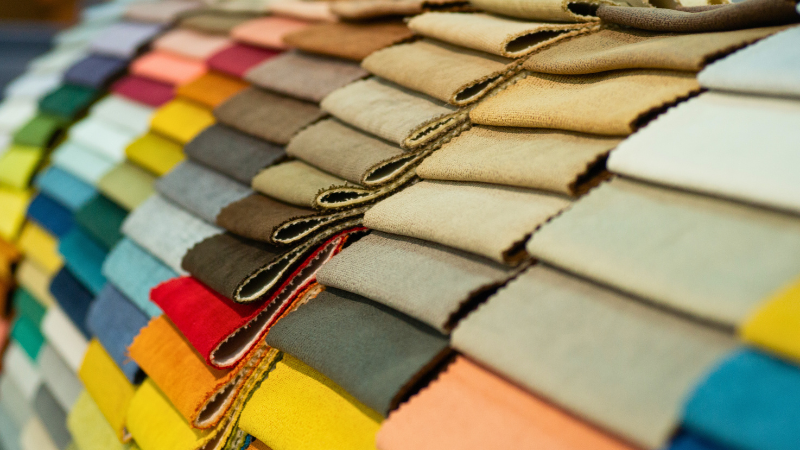
A clear side-by-side comparison allows designers and buyers to quickly compare the best fiber that fits their particular product requirements in terms of performance and cost.
| Feature | Lyocell (TENCEL Lyocell) | Modal (TENCEL Modal) |
|---|---|---|
| Primary Wood Source | Wood pulp (eucalyptus) | Pulp made of beech trees (Natural regeneration) |
| Production Process | Closed-loop System? | Resource-efficient Viscose Process (Modified Viscose Process) |
| Solvent Recovery Rate | Extremely High (up to 99.8%) | High (Improved recovery rates) |
| Fiber Strength (Wet) | Very High? | Moderate |
| Hand Feel | Smooth, silky, cool, and fluid drape | Ultra-soft |
| Moisture Absorption | Excellent (Superior Wicking) | Superior Absorbent? |
| Sustainability Rating | Highest (Gold standard because of closed loop) | High? |
| Cost Profile | Slightly Higher (Premium technology cost) | A little cheaper (Less expensive to do in large volumes) |
| Common Uses | Dresses, shirts, bedding, structured clothing | Underwear, T-shirts, lounge, knits. |
Sustainability Comparison: Which One Is Greener?
Lyocell and modal are both environmentally friendly, and are a better option when compared directly to traditional cotton, polyester, and generic rayon fabric. The main difference, though, is not whether they are sustainable or not, but how they do it. According to a technical analysis, Lyocell becomes the absolute boss in green production because of its efficiency in terms of technology.
Advantage of Lyocell: The King of Circularity
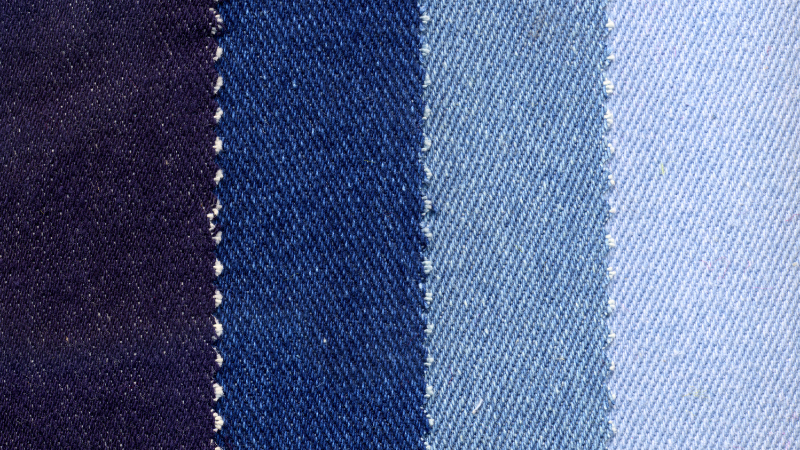
Lyocell is the gold standard of sustainability due to the closed-loop system. This is a revolutionary lyocell production process since it:
- Recycles solvents: The NMMO amine oxide solution is recovered, cleansed and recycled over 99 percent of the time, without requiring a continuous replenishment of this solution, thus reducing the amount of chemical waste.
- Less pollution: This near-perfect circularity will greatly decrease the amount of wastewater released into the environment, which is a serious environmental concern.
- Efficiency in resource use: The lyocell process is very efficient in terms of water and energy that it consumes. It takes much less water than cotton and the generic production of lyocell.
Modal Credentials: Responsible Sourcing
The fundamental aspect that gives modal its good eco-friendly qualification is its integrity in raw materials. The beech trees are a naturally sustainable source since they have natural regeneration and grow to develop without artificial irrigation and planting.
The altered viscose process employed in making Modal is a more appropriate modification than the traditional viscose rayon in that it has improved chemical recovery, but it is not as circular as the closed loop of NMMO since it incorporates other more traditional chemical operations.
However, the two fibers contain essential, measurable environmental indicators that ensure accountability of the supply chains:
- Biodegradability: The two synthetic fibres are both certified to be naturally biodegradable and compostable.
- Responsible forestry: Lead suppliers insist on all wood pulp being sourced only in FSC® or PEFC™ certified forests, which means that all forestry is managed responsibly.
Applications: How Each Fiber Is Used
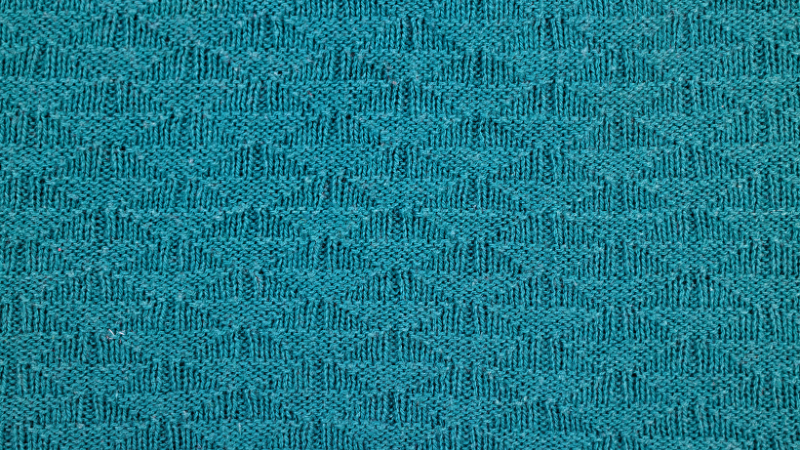
Lyocell and modal have a unique performance profile that qualifies them as experts in various types of garments and home textile products. Due to the high wet strength and structural integrity of lyocell, the material is good for products that need fluid flow and durability. It is the go-to fiber for:
- High quality clothing: Blouses, shirts, dresses and trousers, in which a smooth finish, resistance to wrinkling, and a sharp, yet flowing, hand are required.
- Performance textiles: It has good performance in terms of its tenacity and wicking capabilities, which make it a good choice in sportswear, durable workwear, and long-lasting denim (usually in combination with cotton or nylon). It can be washed quite often.
- Luxury home goods: Luxury fabric, much treasured in the lyocell sheets and towels due to its coolness, smoothness, and ability to control moisture. It is also applied in special purposes such as medical dressings.
Modal is favored in cases where the overall objective is to achieve maximum comfort of skin contact. It is soft and elastic in nature, which makes it ideal in:
- Elevated Wear Basics: T-shirts, tops, and everyday wear, in which their pilling and fading resistance on repeated washing is greatly valued.
- Intimate Apparel: Pajamas, sleepwear, and underwear, in which its smoothing texture and excellent absorbency are vital to ensure that the wearer does not start to feel sweaty.
- Knit Fabrics: These are commonly used in combination with knitwear (such as wool) to enhance the appearance of drape, softness and dimensional stability.
Feel & Performance: Which Is Softer or Stronger?
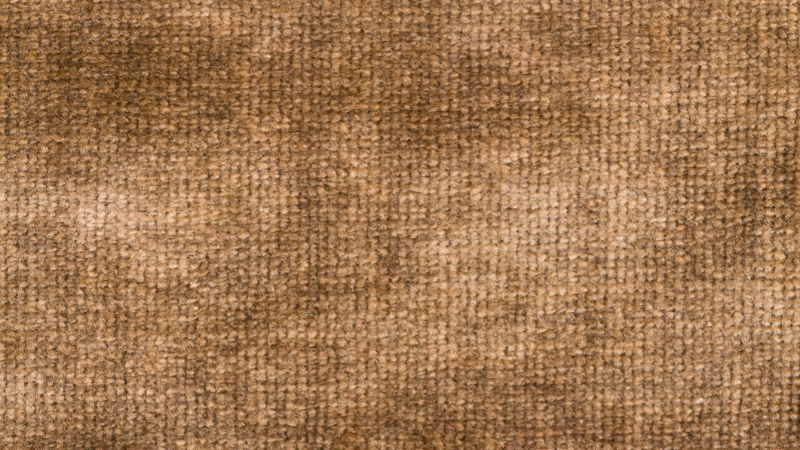
Designers normally consider the texture of the fiber and the mechanical strength when making a sourcing decision.
- Modal is the softer fiber. Its changes in production producing a microstructure that gives an ultra-fine, velvety feel, which is extremely soft and smooth.
- Lyocell feels silky and cool. Being luxuriously soft, its feel is usually said to be a little more structured and flowing than other fabrics.
- Lyocell is much more powerful. It is very durable and unlikely to fracture easily during frequent washing, as its fiber structure is unique and gives it high tenacity in both wet and dry conditions.
- Modal is not as strong as lyocell, but it is stronger and more resilient than generic viscose rayon. It has the advantage of not becoming fuzzy and being harder to wear out than similar breathable fabrics.
Care and Maintenance
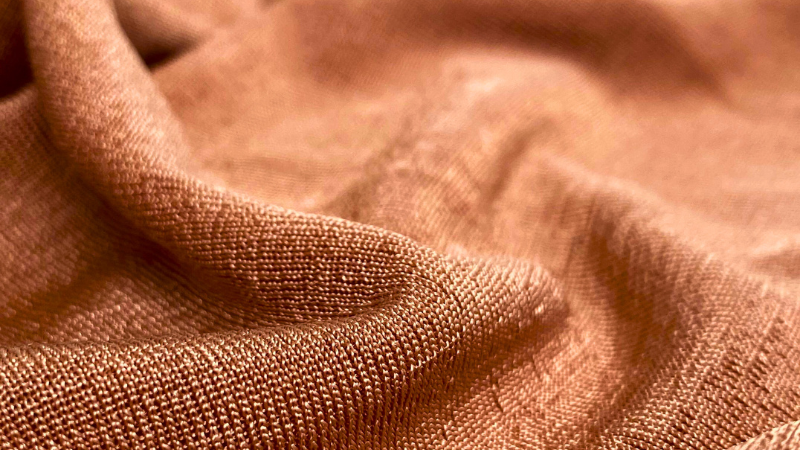
Lyocell and modal are both simple to take care of, although, by just taking a few basic care precautions, their lifespan can be extended.
- Avoid high temperatures: High temperatures and warm water may lead to shrinkage of the cellulose of both fibers and destroy its structure. Cold and low-temperature dry-cleaning should be used at all times.
- Apply Light Detergents: Rough chemicals may destroy the fibers in due course. Apply non-chlorine-bleach detergents which are mild.
- Ironing: The two fabrics typically do not wrinkle, though ironing is required, and set to low heat to avoid overheating.
Price and Availability
The price and penetration of Lyocell and Modal represent the commercial reality of both products.
- Price: Lyocell has a slightly higher price than that of Modal. This can be directly explained by the fact that the highly advanced NMMO closed-loop technology is a rather expensive investment in sustainability. As the chemical processes during production are less demanding than traditional synthesis, modal is easier and cheaper to mass-produce and hence provides an ideal balance between cost-effective sourcing and green material sourcing.
- International Tendencies: Both fibers are highly demanded in the global market due to the luxury as well as environmentally conscious fashion. Lyocell is becoming more popular with premium brands that demand the highest environmental standards, whereas the market of high-quality basics, athleisure, and intimate apparel is still dominated by Modal because of its unmatched softness and value.
FAQ
1. Is lyocell better than modal?
The word better will vary depending on the priority of the product. Lyocell is eco-friendlier because it has a closed-loop system of production that is highly efficient, non-toxic, and has better wet strength to be used in prolonging its durability. Modal is also more comfortable to touch with an ultra-soft velvety hand-feel, making it better in clothing that needs to have close contact with the skin, such as loungewear and intimates.
2. Are lyocell and modal natural fabrics?
Lyocell and modal are both referred to as regenerated cellulosic fibers, commonly known as semisynthetic. Their raw material is 100% natural (wood pulp); however, the dissolution of the pulp and conversion of the fiber back into a thread is done chemically, making them fall under the semisynthetic category.
3. Does lyocell fabric shrink?
Lyocell (such as TENCEL™) of high quality exhibits a high level of dimensional stability and low shrinkage (usually less than 3%), particularly when compared to standard cotton. It is true that although a small initial contraction may occur during the first wash of any cellulosic fiber, regular cold washing and air drying will guarantee that the garment does not change shape as time passes.
4. What is the difference between lyocell, modal, and viscose?
These three fabrics are the successive generations of rayon technology:
- Viscose (Rayon): The original generation, which incorporated a non-circular process based on a chemically intensive process. It is weak, wet and it is subject to shrinkages.
- Modal: The second generation is based on an adapted resource-efficient viscose process. It is much better in softness, stability and durability than normal viscose.
- Lyocell: The third and the most developed generation. It employs a non-toxic closed-loop NMMO system, which is the industry standard of environmental compliance and provides better wet strength and performance in general.
Sustainable Fabric Collection By YM Textile
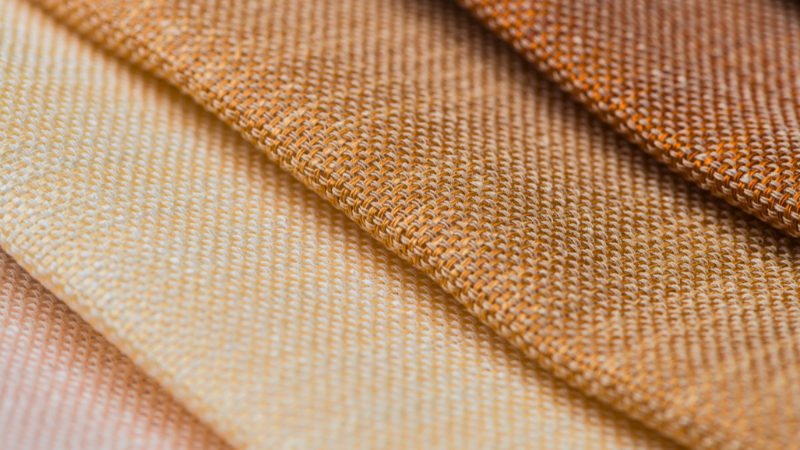
The intricacy of selecting the appropriate cellulosic fiber can be best maneuvered through a supplier who can provide quality and certification that can be verified. As a responsible manufacturer and professional supplier, YM Textile offers woven fabrics both in lyocell and Modal, making sure that every product meets the best sustainability standards in the world.
Credibility at YM Textile is demonstrated by documentation. All of our lyocell, modal, and custom-blended fabrics are supported by the required supply chain and quality certifications, such as the GRS (Global Recycled Standard), RCS (Recycled Claim Standard), and OEKO-TEX Standard 100. This makes sure that all the transactions are clear, all fibers are tracked and all the final products are chemical safe.
Through collaboration with YM Textile, you will have:
- Custom-development: Specialization in making custom lyocell and modal woven blends to your specifications, to specifications of a low and consistent performance and hand-feel to your line.
- High quality and consistency: Maximized performance of assuring fiber quality and consistent weaving structures are found in high-quality apparel.
- Supply chain assurance: Rapid delivery, effective project management and the safety of wearing fabrics that meet the highest environmental standards in the world.
Contact YM Textile today and see the most sustainable solution to the next collection in lyocell or modal.