Skip to main content Skip to footer

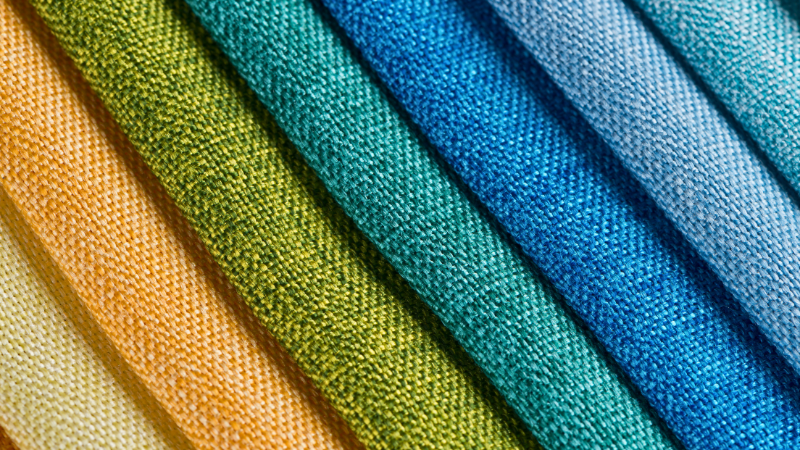
The speed of innovating and adapting is a measure of success in the modern fashion world. Months of wait-time to develop a prototype is a liability that can not be afforded by a modern brand. It is now possible to go between a digital idea and a tangible custom fabric within just 14 days.
By using the latest digital processes, you can dramatically reduce the risk of inventory and make sure that your designs make the biggest impact in the market. The art of developing your own fabric is no more the prerogative of the industry giants. With over a decade of industrial awareness this guide will provide high-performance resources with a technical workflow that ensures customer satisfaction and uncompromising quality standards.
Begin the process of creating an ideal collection now by matching your vision of creativity with precision in record time. The final competitive advantage is the shift of a stock mentality to one of custom-first. Read on to discover the step wise strategy to textile invention and market control.
Understanding the Custom Fabric Development Procedure
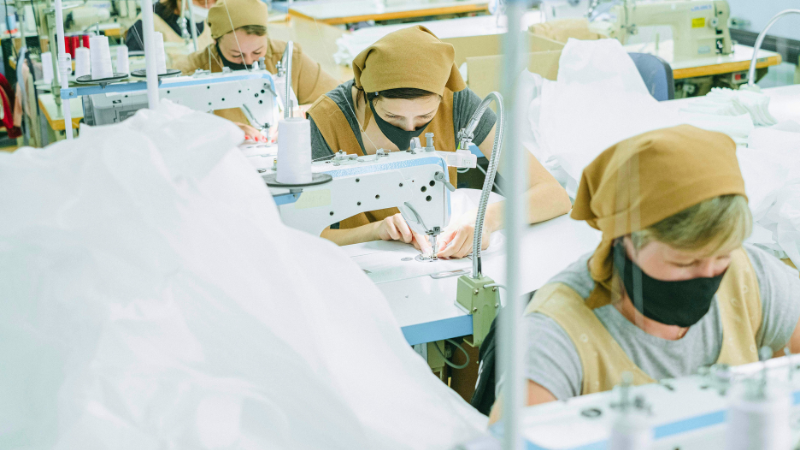
When you want an ideal fit to a particular brand identity or a performance need that is unique, then custom development is the way to go. The main stakeholders such as fashion designers, sourcing teams, and trusted partners at the fabric mill should refer to a single platform to ensure they do not get misaligned. In the last ten years, the industry has evolved tremendously, with the market changing towards agile and on-demand formats, which allow smaller lot sizes and quicker turnarounds.
The future of the textile industry is becoming decentralized and agile. By 2026, the new digital printing technologies have made it easier to access personalized textiles in small quantities without the need to have large production quantities. This development permits more personalized assortment that can be expanded almost immediately to satisfy changing consumer needs.
This transformation enables brands to explore more creative opportunities and distribute them to world societies without the weight of conventional lead times. With the ability to work on one platform to control your designs, you can make something really special that the users will adore on every page. Make contact with your sourcing department early so that all projects are on time by the season.
Technical Requirements & Concepts
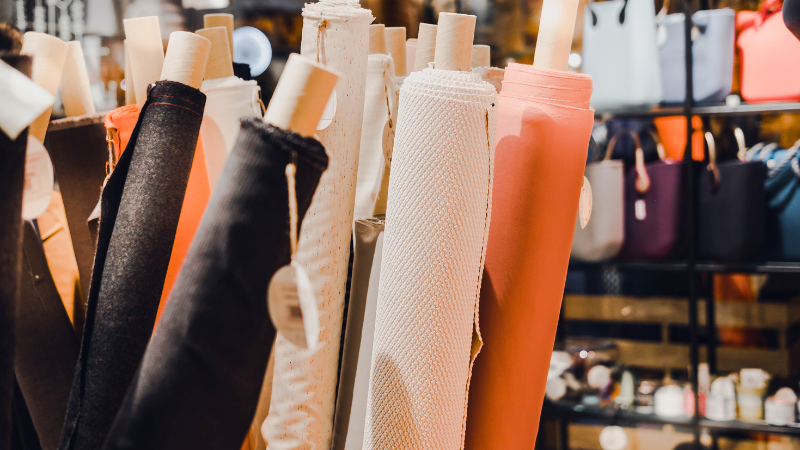
Accuracy in sourcing commences with a sparse perception of technical demands and material science. The ordering custom fabric process in 2026 entails the establishment of technical specifications including the intended use and material specifications. In the absence of this technical clarity, the fabric mill is not in a position to match the fabric construction to the needs of the designer.
Setting these parameters, at the outset will eliminate the expensive errors that arise when a fabric is appealing to the eye and yet operationally defective. Learn that the weight and stretch of a fabric should be maximized to suit the type of garment you are planning to produce. These specifications are what the professional sourcing managers call the North Star of the project to ensure uniformity.
When you standardize these requirements, you ensure that all the yards of fabric that you produce are of the high quality standards of your brand. Identify a partner that can provide a range of technical information in their catalog to serve as a reference. This would be far easier to jump into the fabric development process with confidence and clarity.
Developing the Fabric Concept
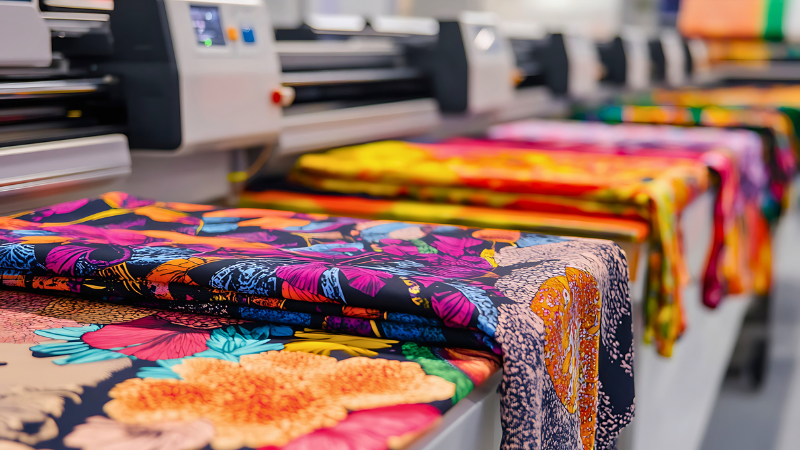
The most crucial aspect of the whole project is to define the fabric concept in a surgical manner. Early sorting through your needs is necessary and this includes fiber content, construction of the fabric, weight, and exact stretch or finish. Custom printing techniques are high quality printing techniques that attach inks directly to fibers, resulting in the creation of bright colors that do not fade or wear away when washed.
Be aware that vague concepts are the primary cause of delay in production and costly mistakes. You must examine the way the fabric folds and touch the texture in reference to the intended use of the garment to make the right image come alive. Purchase agreements or tech packs should also indicate specific fabric requirements to prevent confusion in the future of the schedule.
A clear idea enables the mill to filter through their options of yarn and machinery available to them. Ensure that you provide visual examples like a photo or image to peg the aesthetic objective. This transparency makes sure that the ideal fabric is created during the first attempt without having to undergo numerous prototyping.
Making a Complete Fabric Tech Pack.
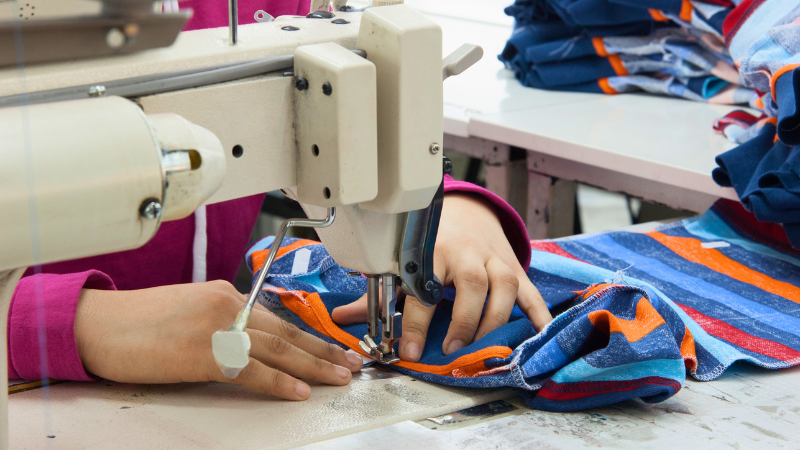
An effective tech pack is like a wiki to your fabric and an all-inclusive manual which the mill can follow, without having to take notes continuously. Important factors are yarn specifications, weave/knit structure, GSM and width requirements. The contemporary ordering of custom fabric requires specification of technical specifications like intended use and material.
The color references are to be in the form of eps, pdf, or png files so that they are accurate on various screens and applications. The best method of reducing the development cycle and letting the team work effectively is through clear documentation. A great number of custom fabric suppliers are providing organic or recycled fabrics and work with water-based inks to reduce chemical waste.
In case your tech pack is not complete, the mill can assume some things which will result in unstable quality. Look at standardized templates to ensure that nothing is omitted in the construction notes, mar or code. Documentation professionalism results in customer satisfaction during the final bulk production stage and the success of the brand in general.
Selecting the Best Fabric Development Partner
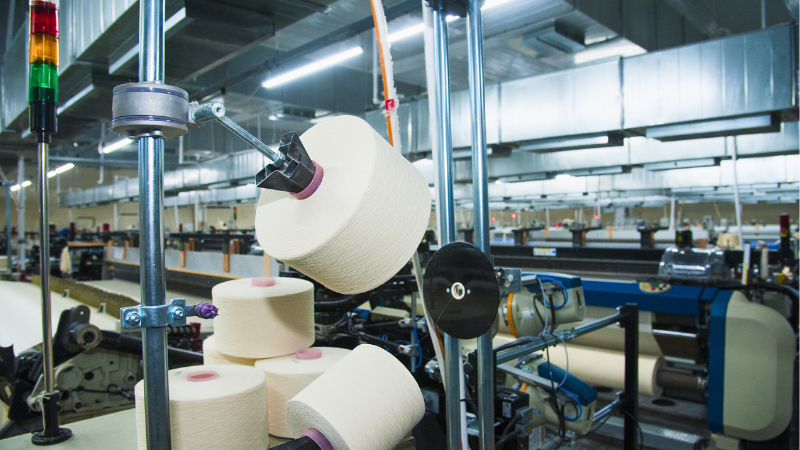
The process of picking the right fabric development partner is enjoyable but must be checked in a disciplined manner and their actual technical ability must be tested. Not every mill is configured to run fun experimental production; many still can only succeed in high-volume bulk production. You have to find a partner with a variety of colors and flexible MOQs to enable you to connect with smaller runs.
The market leaders are now seeking partners who will comply with global environmental requirements and transparency in their ethical practices. The 2026 trends on sustainability focus on certified organic cotton, recycled polyester, and blends to satisfy the ethical transparency demand among consumers. It will be so much easier to work with a partner who knows your schedule and the very kind of fabric you have to use in the long run.
An assessment of the speed of communication and sampling is a must before you commit money to a partnership and place your initial yard. Quality of custom printed fabric may differ with some users reporting that the quality of fibers used to make the fabric influences the experience and the longevity. Select a partner who appreciates the life of the garment as much as you do during the entire period of partnership.
Day 1-3: Preliminary Duty and Material Requirement
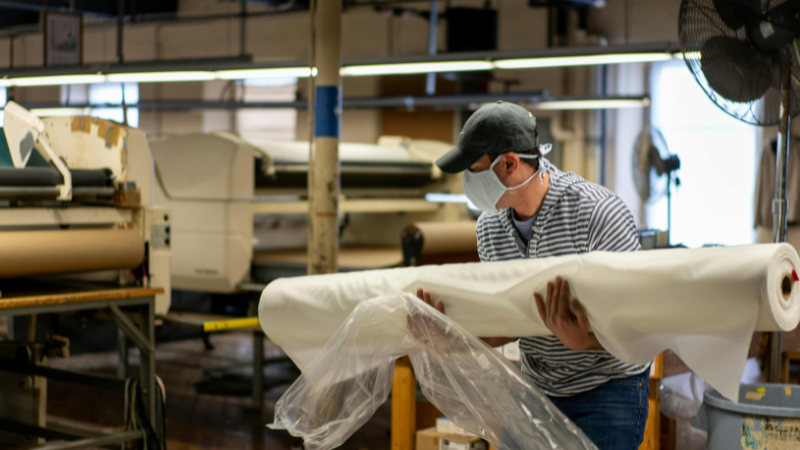
The initial three days will be spent on the technical side and ensuring that the required yarn is indeed in stock. Before the mill begins the machines to produce the collection, you have to agree on the price and the schedule. Determining problems that may arise at initial stages like yarn deficits or the complexity of the construction eliminates subsequent re-work that might spoil the end product.
Contemporary online innovations can now give you a preview of what your vision will look like before the first yard has been fabricated. The design of custom fabrics can be seen in a real-time before the order is finalized. Such immediate feedback will enable you to alter the colors or the size of your pattern before you have committed any physical material into the loom.
At this stage, all you need to do is to post your designs to the portal of the mill in order to verify the pattern alignment. Custom printing of fabrics gives a wide range of design layouts including regular repeat and mirrored patterns, so that what you see is what you get. This initial alignment is necessary so that both parties can be in agreement on the viability of the project and how to manage the path.
Day 4-6: Lab Dips, Yarn Dyeing or Greige Preparation
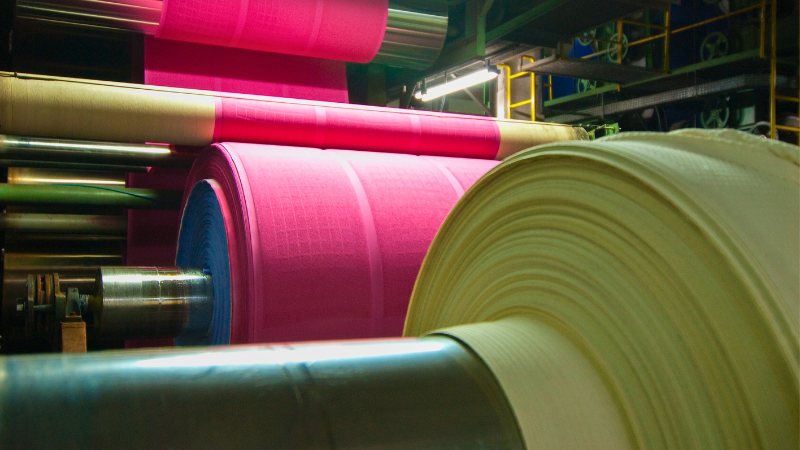
The efficient handling of color approvals is a commendable problem that is normally a source of expensive surprises. It is advisable to order physical samples prior to bulk production to ensure that the color and the scale are correct during different lighting conditions. Select the correct color development technique, be it lab dips or digital strike-offs because it is the biggest determinant of the success of your collection.
The selection of the method is dependent on the content of fibers and the necessary level of durability. Standard printing techniques in 2026 will be dye-sublimation of synthetic fabrics and reactive/pigment printing of organic substances. These high performance printing techniques make sure that colors remain vivid despite the long time washing and daily wearing.
Select your colors well and only switch them when it is necessary to be on time. The printing of custom fabrics may be more convenient than the old-fashioned practice, like sketching on fabric and tracing the sketch. This is what makes a 14-day turnaround a realistic objective to both the mill and the client.
Day 7-9: Fabric Construction and Sample Weaving/ Knitting
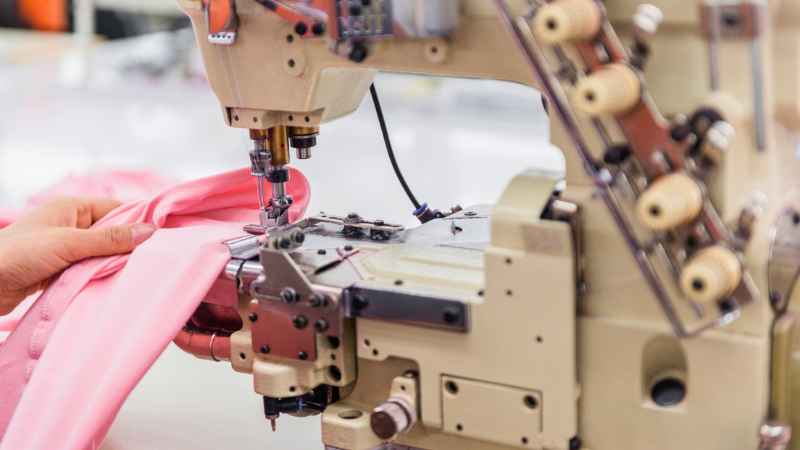
After the colors are approved, the mill will roll the yarn on the looms or knitting machines. The accuracy in construction on these three days would make the fabric structure in line with your initial plans. Custom fabric printing services provide numerous cloth choices, such as eco-friendly fabrics and other specialized items such as fire retardant and waterproof.
This is because constant and open communication with production team is essential in ensuring that the fabric is as per the original design intent. In case of any form of machine failure, then it should be dealt with instantly to prevent the complete breakdown of the schedule. It is the stage at which your image or picture actually starts to become a real yard of physical stuff in your hands.
The most important measure of success in the competitive world of fashion is speed. The services of custom fabric printing usually offer quick turnaround time and several delivery methods, which increases customer satisfaction. Such flexibility guarantees that the fabric is delivered at the appropriate time when it is required either in bulk production or in editorial photography.
Day 10-11: Performance and Final Day Treatments
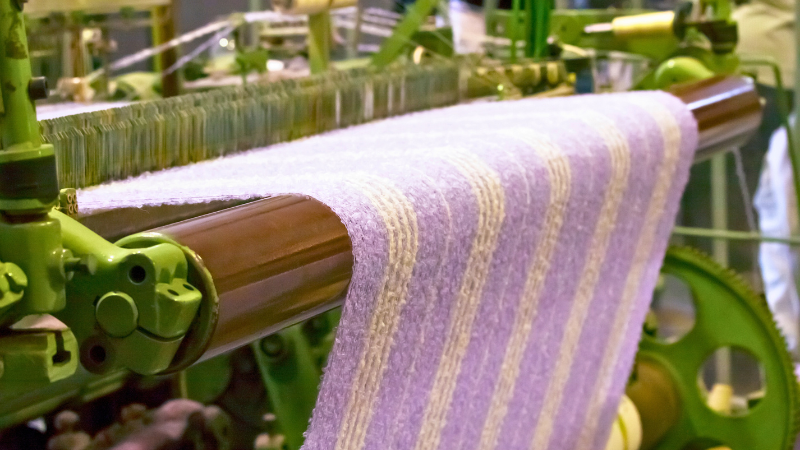
Processing is done to get the required handfeel and look through mechanical or chemical processes. The custom printed fabrics have been reported to be durable under stitching and handling and retain their print quality with time. Before the material is rolled, you have to check the finished edge and ensure that the stretch is stable.
The art of textile engineering is a sensitive process of balancing speed and quality in the course of finishing. Shrinkage control and stability treatments are used to be sure that the fabric is perfect after being washed. A variety of custom fabric vendors also have organic or recycled fabric options to reduce the amount of waste during this step.
In this period, the mill will consult the tech pack to make sure that any functional coatings are done properly. It is worth noting that any special treatment such as fire retardancy or water-proofing involves additional attention and accuracy. Control your expectations, complex finishes can affect your ultimate price and MOQ to order.
Day 12-13 Quality Inspection Performance Testing
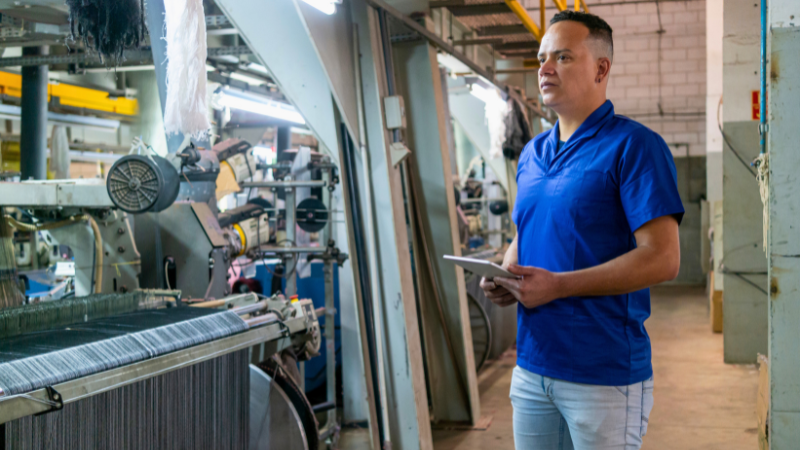
Measurement checks are done and inspected visually to meet the quality of your brand in the fabric. Custom printed fabrics are said to be very strong in stitching and handling, and the print quality does not deteriorate with time. It is worth noting that omitting this step, usually results into costly rework at the bulk orders stage.
Weight, width, and shrinkage tests give the information required to settle on final production readiness. Problem detection during pre-shipment gives the mill the time to rectify any flaws even as the machines are being installed. Custom fabric ordering requires the establishment of technical requirements like intended use, build and material specification.
This should give rise to a final quality report that is shared using your single platform. Always ensure that you compare the findings with the initial yard requirement. This is what safeguards the reputation of the brand when the collection is launched to the online store to the consumers.
Day 14: Testing and Assessment of the Sample
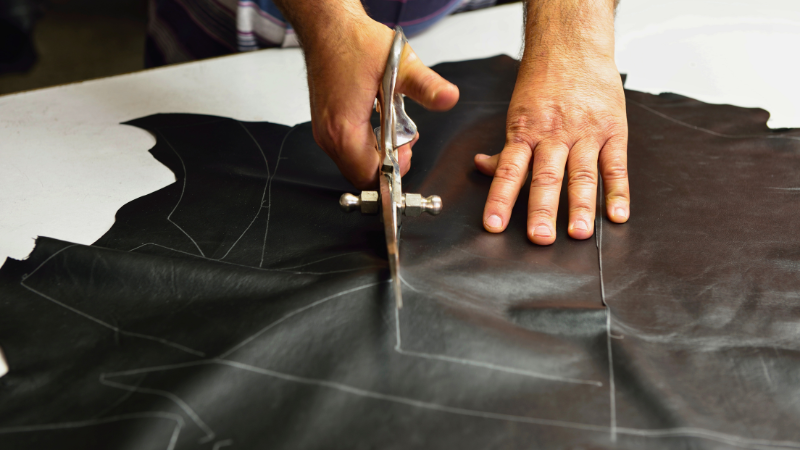
Each day, the sample yardage is delivered, and, on the last day, you are able to touch the results of the project. Find out whether the pattern and print are similar to your original picture. Demand printing also reduces scraps and unnecessary production because the required dimensions can be ordered such as specific yardage or swatches.
Check the sample with the initial tech pack to make sure that all the details are correct. This analysis will define your decision of approving, revising or redeveloping the cloth to use in your next post or online launch. Bespoke fabrics guarantee that your designs are unique, and can be used on special occasion, gift-giving, or even as your brand.
Ask swatches of the last run to have in your library to use in future designs. Join bulk ordering discussions only when you feel 100% pleased with the feel, and this last-minute test is the barrier to customer satisfaction and growing brand popularity.
Mistakes that Slow Down the Custom Fabric Development
Some of the pitfalls that can easily undermine the 14 day schedule include:
- Incomplete specifications: The inability to give complete technical specifications results in guesswork and delays.
- Frequent design revisions: Pivoting of objectives during the middle of the process are the biggest killers of a tight 14-day schedule.
- Poor communication: Ineffective communication with mills may cause a misalignment on technical specifications and thus the fabric will feel out of place.
- Unrealistic cost expectations: Unrealistic cost often comes up in friction since fast development needs a premium price in order to expedite labor.
- Failure to document: A lot of companies fail when they do not consult the initial tech pack in the production process.
- Overlooking material quality: The quality of the custom printed fabric may differ and some users report that the quality of the fiber they used to buy can influence the experience of using it as well as its longevity.
The Secret of Fast and Cost-Effective Development
The high-speed development demands the disciplined approach to technical and financial management. When you standardize your internal processes, then you can do away with the friction that is usually slowing down textile production. You can streamline your workflow to achieve maximum efficiency and cost-saving in the following steps:
- The only way of saving money without extending the deadline is to standardize fabric templates, and limit the number of revision cycles.
- You need to enter into virtual communities to share resources and know which mills are the most trustworthy partners at the moment.
- Spoonflower is known to be used on individual projects and can publicly license designs in custom fabric.
- Print-on-demand services, such as Printify and Printful, are used in conjunction with e-commerce of finished apparel products, with methods such as dye-sublimation.
- Due to the long-term relationships with suppliers, it is much easier to negotiate and to receive priority in the production slots you love.
- All you need is to simply upload your designs to one platform and have the digital workflow under control and resize the image you choose accurately.
When to Change Sample to Bulk Production
A single sample to full production run is a high stakes phase, which requires close supervision. You should ensure that all the technical specifications have been fulfilled prior to approving the investment of large capital. Use this checklist to make sure that your brand is well equipped to face the challenges of mass production:
- Sample success can only be measured by a strict test of color correctness, handfeel and functionality under different lighting conditions.
- After the sample is approved, you have to plan immediately on MOQ and match lead times with your overall garment manufacturing.
- Custom fabric does not have minimum order requirements meaning that a user only needs to order what he/she requires in order to do a prototype.
- A proper risk assessment should be done before you ever commit yourself to the mill on full bulk.
- Establish the ultimate total price and importation taxes in advance to prevent any last minute expensive surprises.
- Custom printing techniques with high quality fix inks on fibers, and the color is vivid, and does not fade or wears when washed.
Final Thoughts
A turnaround of 14 days can be realized when you are clear and have the right supplier. New digital printing technologies have made it easier to have customized textiles in small quantities without a large production run. Your designs are worthy of the ideal material to bring them into existence and make them a delight to your audience. Take lessons out of each project and filter customer feedback to make your next collection better.
Custom fabric printing may be more convenient than the traditional, i.e. the projecting of the design onto the fabric and tracing. Begin now and find out how much fun it is to make your own cloth to use in your brand. In case you like the diversity of the available options, make the first step and order. You must have a partner who knows your life and your designs. Are you planning on purchasing customized fabrics? Send an inquiry to us today, and we will get you going on your next journey of creating a custom fabric in a fast and confident manner.