The concept of sustainability has become an entry requirement and not an additional feature. In the current market, where you are developing outdoor clothes, you must realize that buyers are no longer interested in merely checking the ratings of the water-resistance of the clothes; they are checking your supply chain. The Gorpcore trend has now officially taken rugged trail clothing to the boardroom to wear daily.
The fashion industry is now putting all its eggs on recycled polyester fabrics to create high quality, synthetic garments to win consumers without hidden costs. This article will explain how factories make recycled goods and how it affects the future of production. We are also going to observe how this material transforms how companies are producing clothes to consumers worldwide.
Why Recycled Polyester Fabric is the New Standard in Performance Wear
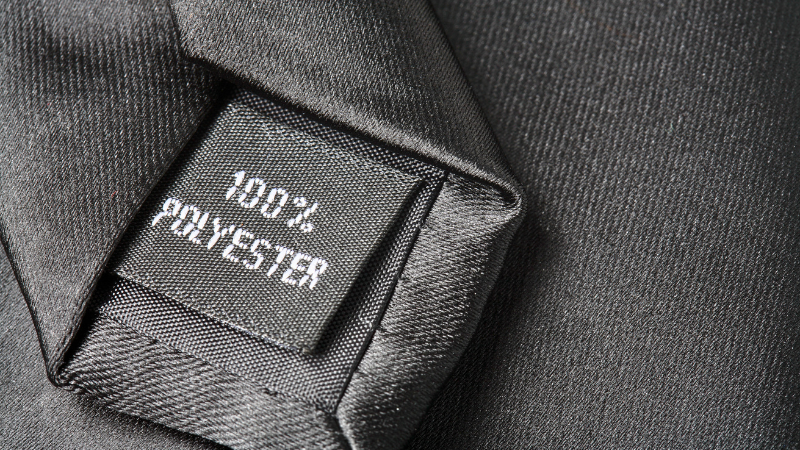
Our coat design is also going through a groundbreaking transformation as we abandon synthetic fabrics. Previously, designers believed that performance implied the use of brand new virgin polyester produced using fossil fuels. Polyester transformed the world in the mid-1900s since it was light, strong and dried fast. However, people soon noticed that this conventional polyester caused a lot of textile waste and a negative environmental impact.
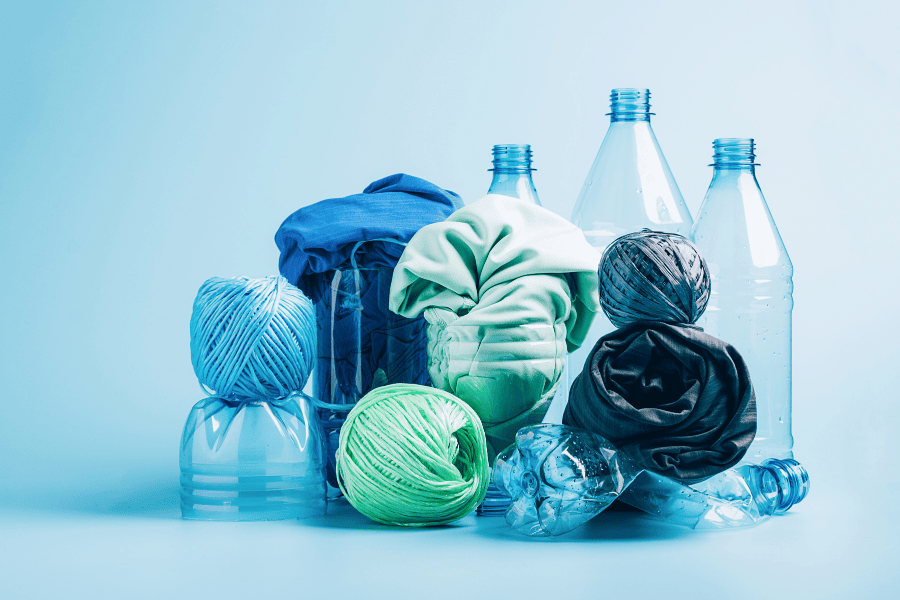
The sector is currently attempting to eliminate the consumption of new oil by tapping into the colossal amount of plastic waste in the world. Recycled polyester also known as rPET is created by melting down old plastic, including used plastic bottles, and re-spining it to new polyester fiber. Five water bottles can produce enough fiber to make a t-shirt. This sustainable recycled polyester process can greatly reduces plastic wastes in our oceans and parklands. It provides a superior alternative of green everyday wear with high quality to consumers.
The Technical Journey: Developing a Better Alternative Out of Waste
Production of recycled polyester is an excellent illustration of contemporary engineering and effective resource control. Mechanical recycling is done through five primary processes: Collection and Sorting, Shredding, Melting and extrusion, spinning and drawing and texturing. The most prevalent way of generating recycled polyester is through the mechanical recycling process which is less expensive and makes use of the available infrastructure. Although chemical recycling is also a common practice among many brands, this mechanical method enables businesses to create a sustainable collection that remains robust.
Step 1: Collection, Sorting, and Cleaning
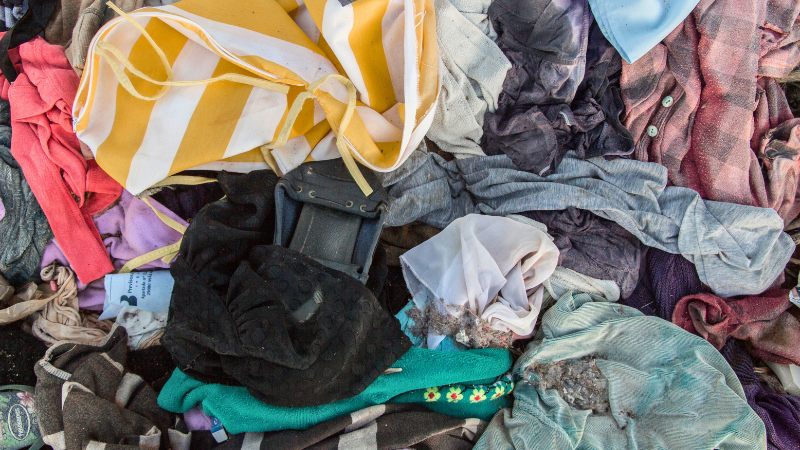
The cycle of a high-tech rPET jacket begins with the collection of old plastic waste in different recycling streams. Employees pick up the bottles in the recycling bins of cities and even on the shores of the ocean. The most significant section of maintaining quality throughout the manufacturing run is sorting. Machines and humans collaborate to sort out the correct type of plastic bottles and other materials such as metal or glass.
The most useful aspect of this waste stream to the clothing world is clear bottles. Workers remove the labels and turn the clear plastic into small “white” flakes that look like snow. These flakes can be dyed easily, and this is ideal in the grey and olive color people prefer today in shirts or garments. The reason behind this step is to make sure that all batches of fabric appear identical when there is a large production run.
Step 2: Shredding and Deep Cleaning
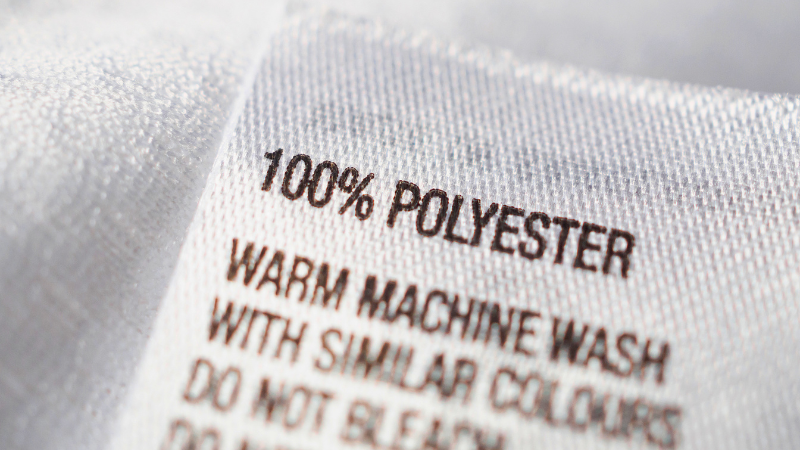
After separation, machines are used to flake the bottles into tiny, homogenous flakes. This step does not only chop the plastic into bits to be used in the second life. The flakes are washed thoroughly in special soap to get rid of glue and dirt. This “clean flake” is the starting material for the entire textile mill to create high-end sheets.
The dirt that remains would form weak points in the finished jacket or other pieces of clothing. The impurities may cause damage to the costly machines and slack the whole production line. This is why factories take so much time to make sure that each flake is clean. The high standards here prevent problems in the future and make the fabric durable.
Step 3: Melting and Pressing
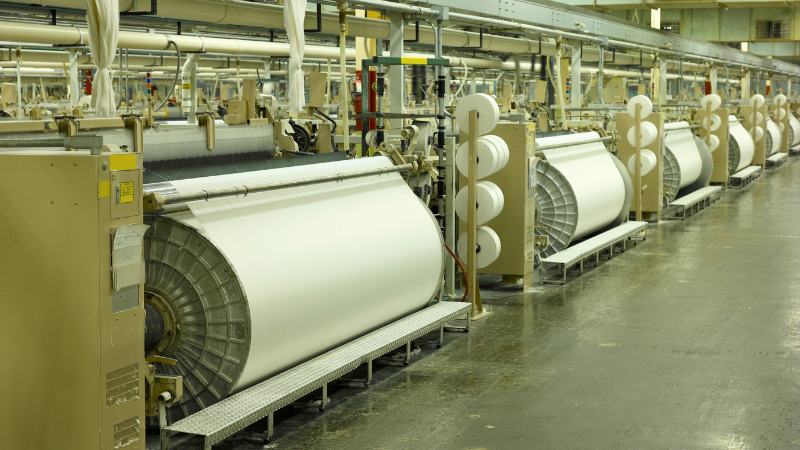
The next part of the process involves workers loading the clean flakes into a large machine known as an extruder. This machine warms up the plastic until it becomes a thick, hot liquid that can easily flow. The machine then presses the liquid through a metal plate with hundreds of small holes. This plate is referred to as a spinneret and it functions like a high tech showerhead to produce synthetic fiber.
Step 4: Cooling and Spinning
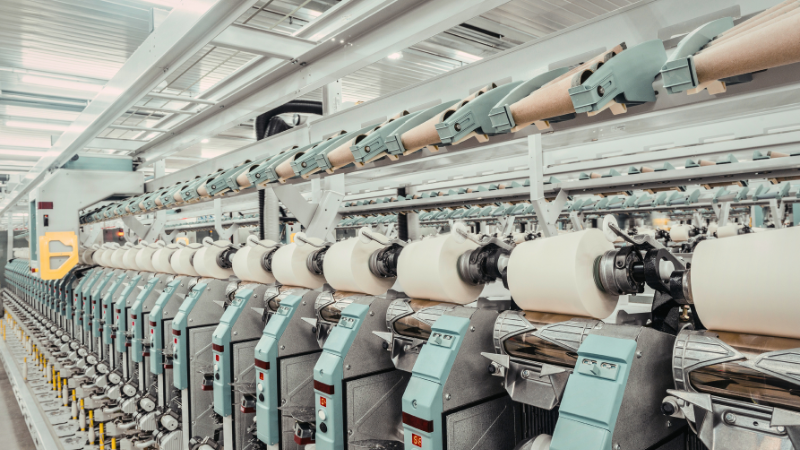
As the hot plastic comes out of the holes, cool air turns it back into solid strings. Those strings are the fibers that are later to be turned into our high-performance clothes. These fibers are then collected by the machines and twisted into long strands of new yarn. During this process, the machines will twist the fibers together to ensure that they are additional strong. This makes sure that the yarn is able to withstand the strain of hiking or everyday life in the city.
Step 5: Stretching and Adding Texture
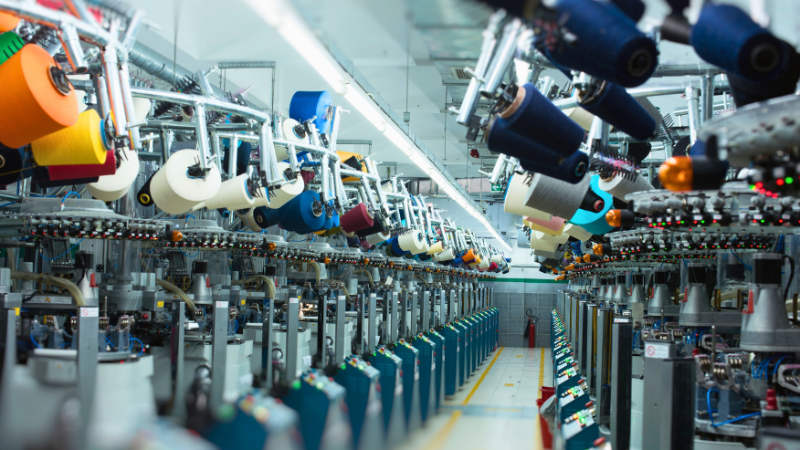
The last process in fiber production is drawing, which involves heating and stretching of the yarn using machines. This renders the yarn much stronger and prevents excessive stretching of the yarn in future. Lastly, the yarn undergoes a procedure that adds a little softness to the surface. This will make the recycled plastic more natural to wear against your skin. A 100% recycled polyester jacket is soft yet manages to keep the rain out of you.
Although this technology is on the rise, it remains highly specialized in the market. As of 2023, 12.5% of the total polyester fabric in the world was recycled polyester. This is approximately 8.9 million tonnes of cloth manufactured under international brands. Most of these were collected as bottles as opposed to old textile or dumped clothing. This indicates that the industry should still seek improved methods of recycling used garments.
Efficiency Gains: Using Less Energy than Virgin Polyester
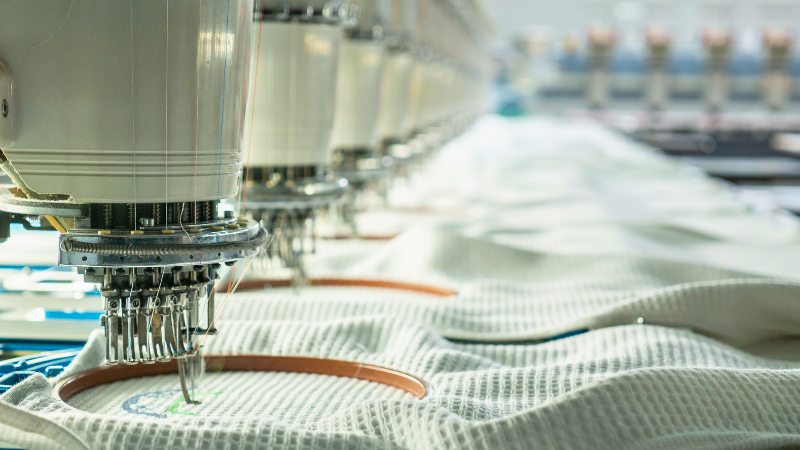
The idea of using rPET is primarily due to the fact that it is significantly more environmentally friendly than new polyester. With old plastic, factories do not need to drill more oil or to refine it into chemicals. This change assists the industry to be less dependent on the oil business and fossil fuels. It also simplifies the entire process of manufacturing clothes and makes it more local to most companies.
Saving Power: Why Recycled Uses Less Energy
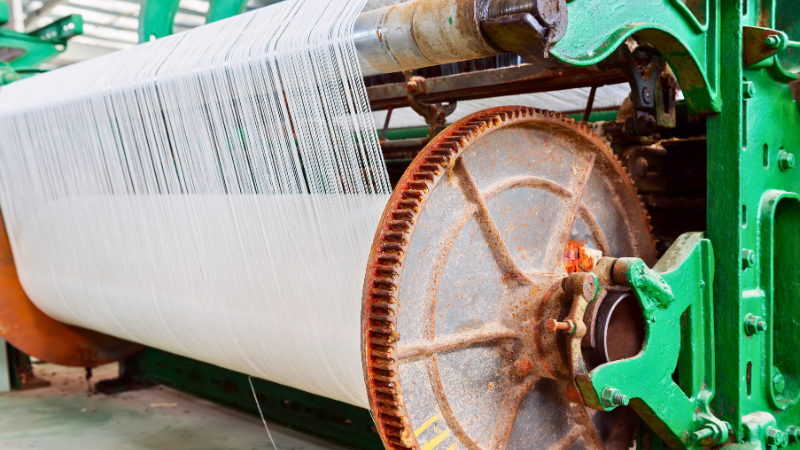
Making recycled polyester takes 59% less energy than making new polyester. The reason is that the plastic is already produced and all factories need to do is to melt it. Consumption of less energy implies that there is less release of harmful gases into the atmosphere by factories. Future targets of rPET are to reduce CO2 emissions by 32% compared to virgin polyester. These huge savings can assist clothing brands in achieving their objectives of combating climate change.
Saving Water and Reducing Trash
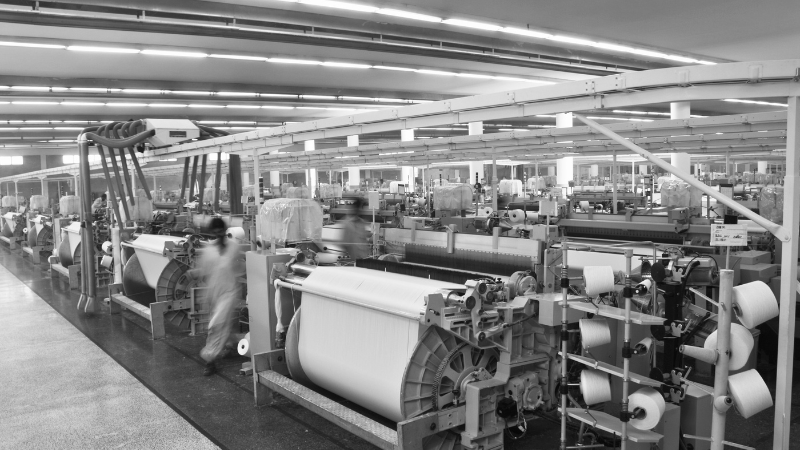
Recycled polyester consumes up to 20% less water compared to the manufacture of virgin polyester. In addition to conserving resources, rPET prevents millions of plastic bottles to landfills and the ocean. The clothing industry provides an incentive to clean up trash by turning waste into a valuable commodity. This will minimize the overall quantity of plastic that contaminates our planet and water systems.
rPET is also useful because it makes companies consider waste as a resource to use in future products. This mentality will push brands to invest in superior collection systems in developing countries. It also assists local communities to make money by turning plastic bottles. Conserving the environment becomes a lucrative objective to all the chain stakeholders.
The Environmental Impact of Circular Claims: Challenges and Trade-offs
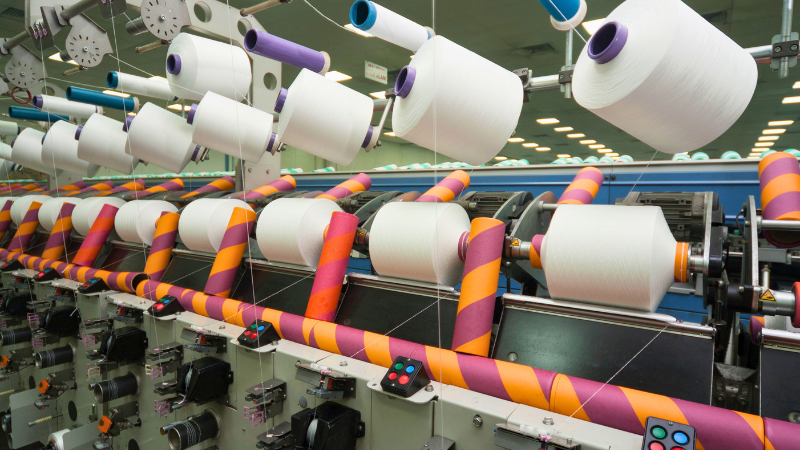
Although rPET represents a massive improvement, it does not solve all the problems. The industry will have to overcome some hard issues in order to be green. These issues demand some new inventions and alterations in the way we purchase garments in the future. Such trade-offs need to be comprehended so that we can make superior decisions on behalf of the planet and its resources. Being aware of these trade-offs will enable us to make a better choice of synthetic materials in our everyday life.
What Is Wrong with “Open-Loop” Systems

Experts call the process of turning bottles into clothes an open-loop system. By recycling plastic bottles into regular polyester, a real recycling loop is disrupted. Once they are turned into textiles, these bottles can no longer be recycled again. During this process, the fiber loses its strength and ultimately results in landfill waste. This results in a “dead end” for the existing plastic rather than a constant cycle.
Synthetic clothing usually contains blended fibers or zippers, which can hardly be recycled. Due to this fact, a majority of recycled jackets ultimately find their way into the trash bin. This disrupts the cycle of recycling that the original plastic bottle could have taken. The industry must develop superior machines to deal with old clothing recycling on a global scale.
The Microplastic Crisis
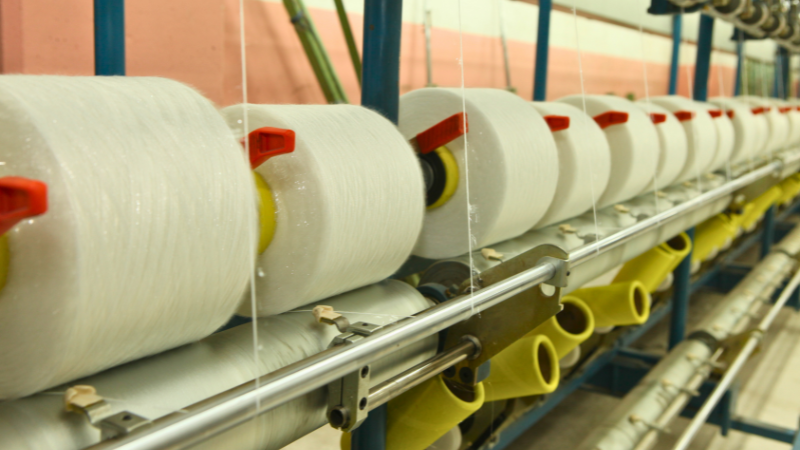
Another large problem of recycled fabric is the issue of microplastic pollution. Each time that you launder a coat, recycled polyester sheds microplastics into our water systems. Research indicates that a single wash can release microplastics that are more than 700,000 small plastic fibers. These fibers are not biodegradable and as such, remain in the sea and harm sea life. These small plastics have been detected in the world in human blood and food.
This is still a big challenge to the image of green synthetic garments in the contemporary market. Researchers are still examining the impacts of these small plastics in the well-being of our earth. This pollution can be prevented before it begins by better filtration systems in washing machines. Consumers should also be educated on how to wash their clothes less frequently to help in cutting down on the shedding.
Validation and Trust: Proving Recycled Polyester Sustainable
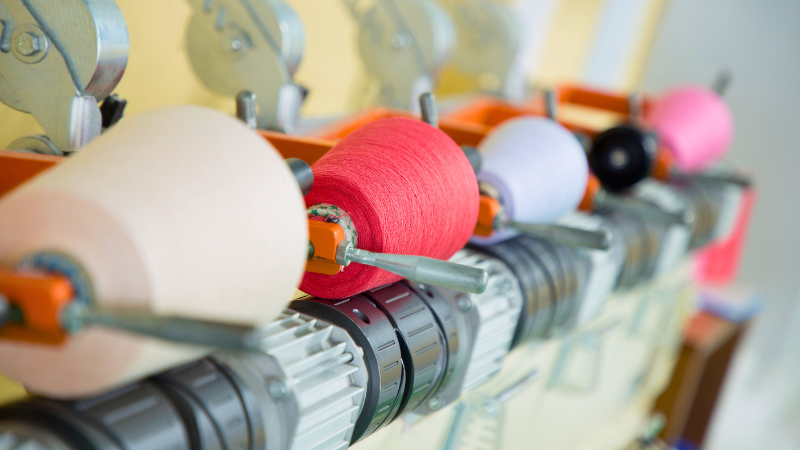
Third-party-evidence is highly valued in a world where firms tend to greenwash their products. A number of organizations have developed guidelines to ensure that recycled polyester is authentic and harmless. These standards provide the companies with a clear reporting way of their green practices. They make customers aware of what they are purchasing when they go shopping of gear.
- Recycled Claim Standard (RCS): This standard certifies the recycled material in a completed product by a chain of custody. It guarantees that recycled claims are accurate but does not deal with global environmental or social effects. The RCS offers a streamlined audit record on the way the raw waste is transformed into the finished garment. This will make buyers assured that the recycled material is actually in their garments.
- Global Recycled Standard (GRS): This is a far more powerful rule and verifies practically everything in the production process. It ensures that the factories operate with safe chemicals, water treatment, and remunerate workers appropriately. GRS is the most appropriate method of demonstrating that things are going in the right direction by the leading brands. This standard allows consumers to have confidence in the fact that their clothing attains a high level of ethics all over the world.
- OEKO-TEX Standard 100: This standard promotes the testing of recycled products of polyester at factories to detect the presence of harmful substances. It uses a higher frequency of testing of the recycled material than normal polyester. The norm also incorporates special safety measures of fabrics that are produced directly using the recycled bottle of plastic. This ensures that you are safe to wear the jacket on a daily basis.
Socio-Economic Impacts of the Recycling Network
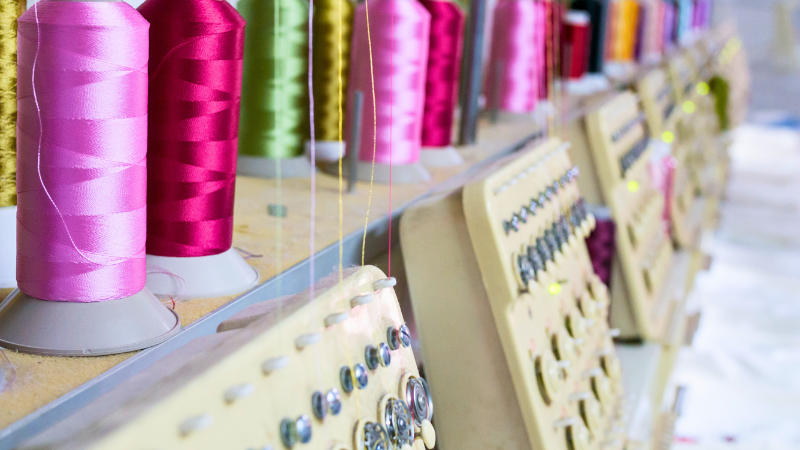
The rise of rPET has created a new global circular economy based on trash. In most of the poor nations, collection of plastic bottles can be considered a primary source of income to families. Although this provides employment, it also raises some difficult ethical issues to brands. When a brand claims that its coat is made out of ocean plastic, it should demonstrate that it paid the workers well. It should also ensure that those workers were safe when they were picking the trash.
GRS rule plays a very critical role in this case since it scrutinizes the individuals behind the work. Brands need to go beyond the cloth and get to know the human story in the supply chain. A green product is one that is helpful to the planet as well as the individuals who create it. We also need to make sure that the recycling company treats all people with dignity and pays them well.
Gorpcore and the Aesthetic of Sustainability

Recycled polyester has become extremely popular in fashion thanks to the “Gorpcore” trend. This fashion involves wearing functional hiking attire as urban wear. It is named after a snack trail that is popular, implying a move back to simple and useful things. Consumers, who prefer this style, are interested in knowing how their equipment was produced.
Through recycled polyester, brands can provide durability and windproof gear, which people demand. This will enable them to demonstrate that they are concerned with sustainability and produce long-lasting products. The look of rPET fits perfectly with brands like Patagonia and The North Face. To achieve a different design, designers can make it look shiny and modern, or rough and classic.
Brand Implementation Strategy
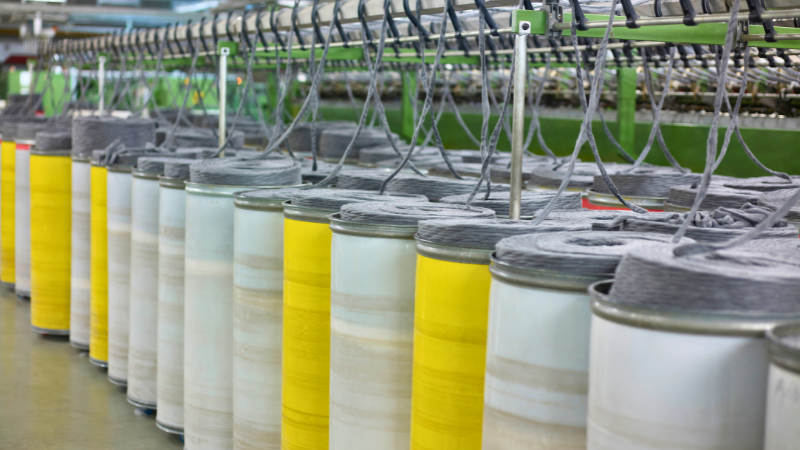
Switching to rPET takes more than just finding a new supplier. It takes a lot of professional sourcing and technical knowledge. Designers will have to collaborate with specialized mills, which are mainly in Asia, where the machines are the best. These mills specialize in weaving very fine recycled yarns in high-end collections.
Managing Technical Performance
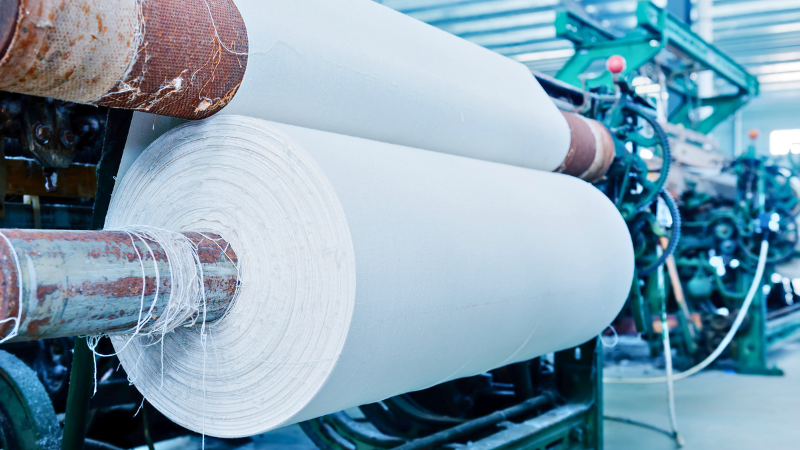
One of the errors made is assuming that recycled plastic is always the same as new plastic. Although the chemistry is identical, the recycling process may occasionally vary the way the fabric accepts dye. Top brands correct this by applying Strict Color Matching and digital information to maintain the consistency of colors. They also ensure waterproof coats are attached to the recycled fibers in a proper manner to enhance performance.
Lastly, they perform a test on the fabric to ensure that it is durable. The machines are used to rub the fabric thousands of times to be sure that there are no holes. This will make sure that the customer receives a quality product which will not break down when it is used heavily. Such stringent testing safeguards the reputation of the brand and guarantees customer satisfaction.
Marketing and Education
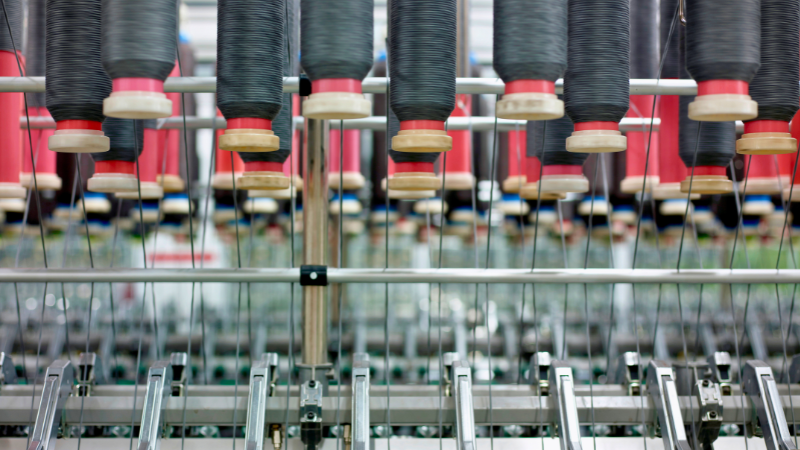
Honesty with customers is a considerable aspect of brand success nowadays. The most successful brands are those that speak the truth concerning the advantages and disadvantages of textile recycling. They discuss the energy savings but also discuss ways of stopping microplastics. They may recommend that a special wash bag be used to trap the minute fibers of plastic when the garment is washed. Being honest will make the best brands shine out of the crowd as the market expands.
The Chemistry of PET: Why It’s Perfect for Recycling
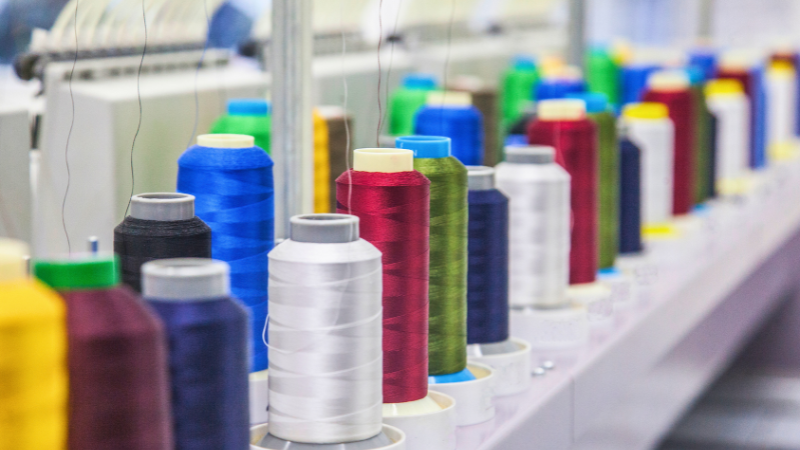
You actually need to examine the chemistry of the plastic to get the idea of rPET. Unlike cotton, nylon, or spandex, this plastic is a “thermoplastic” and is very recyclable. This is because you can melt and re-solidify it numerous times without it totally collapsing. However, every time the plastic is melted, the small chains within it get a little shorter.
This may cause the plastic to become slightly thinner or weaker with time. Due to this, expensive jackets occasionally require a few pieces of new plastic to be put in. These reinforcements make the cloth tough enough to withstand a hurricane. Understanding this chemistry will enable engineers to produce superior and more sustainable clothing in the future.
Overcoming the “Textile-to-Textile” Barrier
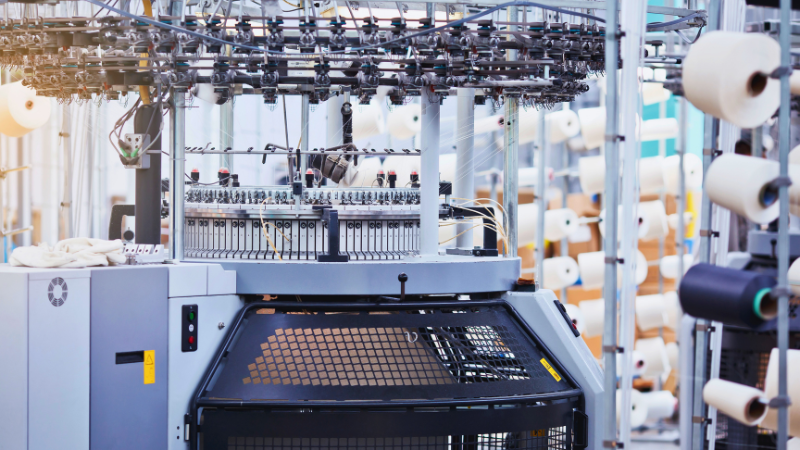
The industry is ultimately aiming at recycling old clothes back to new ones. Today the world recycles approximately 1% of clothes in this manner. The remaining 99% of used clothes are either burnt or placed in a hole. To alter this will take an entirely different approach to designing our clothes. Although chemical recycling is currently employed by numerous companies to recycle plastics, it is more difficult with old clothes.
This transformation is composed of three sections. First, designers use Monomaterial Design to make jackets out of only one type of plastic. This makes the whole coat easy to recycle at the end of its life. Second, firms are developing new machines which are capable of separating various kinds of woven fabric. Third, digital codes are used by the brands to inform the recyclers of what is contained in the jacket..
Conclusion
Recycled performance polyester is redefining fashion by combing the Gorpcore ethos of utility with a direct response to the plastic crisis. The numbers do not lie: the energy saving and carbon emission decrease are too high to be disregarded. Although rPET is merely a transitory measure and not the ultimate solution, it will be an essential change towards a better future.
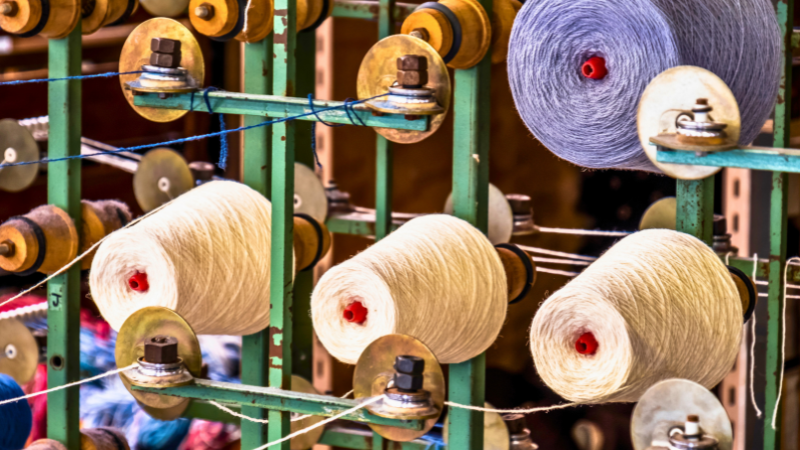
This development alters our understanding of the price of our equipment. As brands opt to use recycled materials, their interest should be in the life of the planet. rPET has become the new standard of high-tech clothing, and has shown that the impact of a garment is its most important attribute. The city and the mountain now need sustainability and performance to be the universal need. Set the pace with Yanmao Textile. Source industry-leading sustainable fabrics and set the new standard for performance innovation today.