
To any clothing line, the shift between product development and ordering of bulk fabrics is an important financial investment. This move, which may have large amounts of capital invested in bulk yardage, is one of the largest decision points within the fashion industry among fashion brands. Do it correctly, and you will have good quality fabrics, production predictability, and delivery that is punctual. Get it wrong and you encounter production delay, quality runaway, loss of money in dead stock and damage to customer satisfaction that can never be repaired.
This guide gives a detailed analysis of bulk fabric ordering mistakes fashion brands should avoid when purchasing fabric in bulk. We will arm fashion designers, sourcing groups, and manufacturers with practical ideas to prevent expensive errors, safeguard cash flows, preserve quality standards, and have uninterrupted production schedules..
1. Misunderstanding the Exact Fabric Needed
Among the errors to avoid when you request fabric samples is the assumption that a fabric that is almost similar can be the right one. Fabric sourcing requires a high standard of accuracy. Do not be depending on digital photos. The use of a design file is one of the greatest risks since any minor variations in fiber content, fabric weight, or construction of the fabric may instantly cause catastrophic consequences. Failure to consider various sizes and fits may lead to poor fitting clothes among the final consumers.
To illustrate, slight alterations in stretch can cause issues with fits, bad stitching, or improper drape when making the garments. When the fabric feel is wrong or the stretch disparities are excessive, the pattern normally get ruined. This failure causes either costly re-cuts or loss of the entire bulk fabric order. Specifying the fabric needs eliminates pursuing materials that are out of stock and guarantees product appropriateness.
How to Fix It: Lock Down Technical Details
For you to ensure that the right fabric is obtained, brands need to move swiftly to physical sample fabric in the fabric sourcing process by ensuring that any digital files are changed to physical files. Always make sure that you have a physical sample before ordering a large quantity of fabric. Begin by taking proactive steps to conduct the major due diligence before buying fabric. Ask swatches to make sure that the custom apparel fabric is correct.
To avoid this confusion, it is necessary to have specific requirements of fabric written down in either purchase agreements or tech packs. Lastly, ensure that your manufacturer clearly verifies all the quality standards and technical specifications with the fabric supplier. Measurements such as, square meter weight, finished edge specifications and precise percentages of stretches should be locked down. This ensures that the bulk fabric is of the exact specifications of the design.
2. Skipping Fabric Samples and Sample Yardage
The most frequent sourcing fabric error is to bypass the vetting process by not purchasing fabric samples and sample yardage. When you place bulk orders of fabric without pre-production testing, you are gambling your entire bulk production on a roll of material that has not been tested. Minor problems, which are verified by a simple swatch (color, texture), are inadequate.
Small flaws such as shade difference or unforeseen shrinkage can only be detected in a full wash-and-cut test on yardage of samples. When such small flaws are compounded on thousands of items, the outcome is disastrous.
How to Fix It: Prioritize Pre-Production Approval (PPA)
Pre-Production Approval (PPA) should be prioritized in order to reduce risk through securing and screening sample fabric as early as possible in the sourcing process. Ask suppliers to provide fabric samples as soon as possible so that they can be thoroughly tested.
You have to test the sample fabric with regards to wash care, stretch, drape as well as dimensional stability. The most important step is to utilize the sample yardage to make pre-production garments. This last checkpoint will enable you to ensure that the right material is in line with the performance expectations of your clothing line, before committing to the entire bulk order.
3. Relying on One Supplier Only

Using one vendor or supplier to supply your clothing brands in bulk also subjects your brands to unwarranted supply chain vulnerability and high risk. Should your single supplier experience any market fluctuations, production delays, labor strikes, or shortages of raw materials, your whole production schedule would be grounded instantly.
This inflexibility will heighten the risk of expensive surprises in the future. It severely undermines timely delivery. Also, the knowledge that you do not have a backup decreases your bargaining power in the price bargain and may create lead time pressures.
How to Fix It: Build a Supplier Matrix
The answer lies in risk diversification and mitigation through the development of a strong Supplier Matrix. Concentrate on developing long term relationships with few, trustworthy partners. See them as associates and not just suppliers. More importantly, develop a supplier matrix where you have at least two certified mills that can produce your core products (e.g. one organic cotton jersey mill and one synthetic fabrics mill). This diversification will give you short-term backup and will demand flexible MOQs on the part of suppliers, which will enable you to divide bulk orders when needed to maintain continuity.
4. Disregard of Minimum Order Quantities (MOQ) and Cash Flow Planning
One significant challenge that has taken many businesses and fashion brands by surprise is failure to adequately consider Minimum Order Quantities (MOQ). MOQs directly affect the cash flow. When ordering the minimum amount needed by the mill, a large amount of capital (money) is usually tied up in place of the intended amount.
This directly translates to overstocking and warehousing expenses on the bulk yardage of your brand that might never see the light of the day. This strains the cash flow planning significantly because the failure to utilize the cash prevents it to invest in new designs or other areas of growth.
How to Fix It: Negotiate and Align MOQs
Brands need to be vigorous in negotiating and matching minimum order quantity (minimum order quantity moq) with feasible estimates to safeguard cash flow. This is by offering your supplier a business plan and negotiating the flexible MOQ based on your estimated sales.
In case of untested product concepts, take smaller orders to find out the market needs and then commit to a huge bulk order. The healthy stock management rule to follow is that MOQs should be adjusted to product launches, buy large quantities of fabric according to guaranteed pre-orders or pessimistic sales projections, not based on hopeful speculation.
5. Not Checking Fabric Quality Early Enough
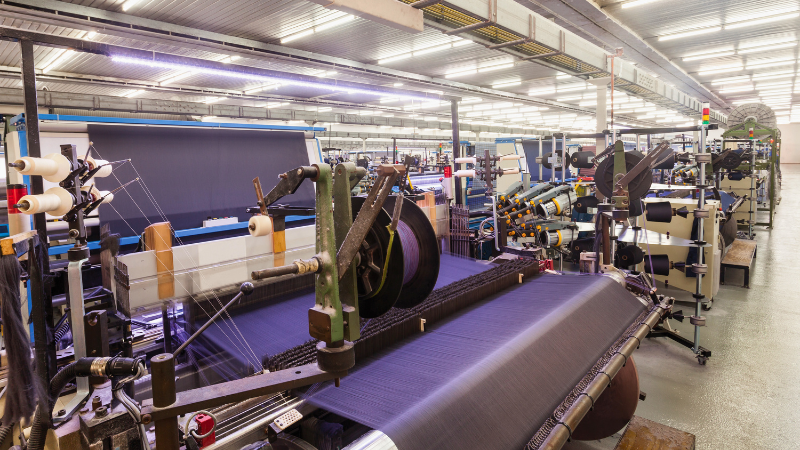
The long-term value and customer satisfaction of the product is the measure of the difference between the quality fabrics and the cheap fabrics. Most companies just look at the cloth when it arrives without paying attention to the structural flaws of the fabric, which are only revealed when cutting or sewing.
Low-cost fabrics may appear fine but do not have the structural integrity to support the production forces, and so the quality problems later become costly rework, forced replacement, customer refunds and, finally, a ruined brand image. This is a typical case of expensive errors in sourcing certain fabrics.
How to Fix It: Implement Clear QC Standards
To avoid quality failure, brands need to establish clear and documented quality standards and quality management processes early in the fabric sourcing process. This starts with setting the acceptable quality standards of all the fabrics that you use (e.g., acceptable pill rate, shrinkage tolerance).
The brands are supposed to also carry out third party testing in independent labs to confirm key performance metrics before bulk shipments are authorized. Lastly, keep quality records of sample fabric tested and approved bulk yardage so that in the future all bulk orders can be consistent..
6. Overlooking Lead Times and Production Scheduling
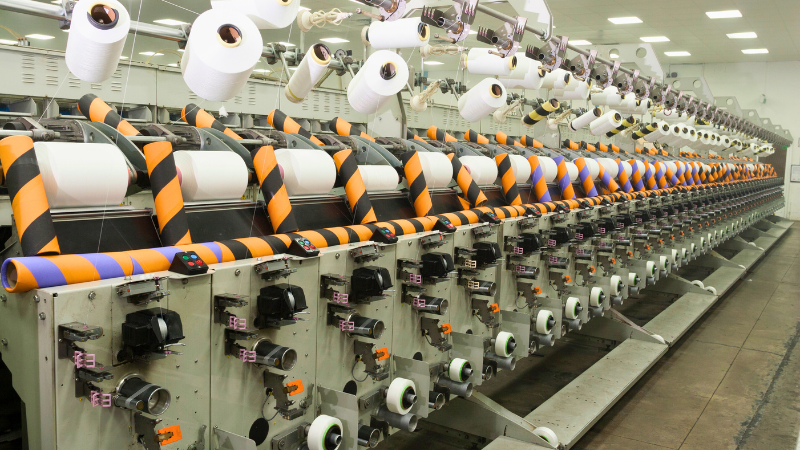
Lack of proper planning on lead times may lead to a chain reaction of production delays which will impact your overall production schedule and profitability. Fashion industry lead times are complicated. They include the production of yarn, weaving, dyeing, and finishing.
This implies that production delays occur when the fabric is late, and your garment manufacturer has to push your order behind others. Late arrival translates to missing important sales cycles, retailer deadlines, and seasonal launch calendars which translates to lost revenue. This is a great risk usually based on bad planning.
How to Fix It: Plan and Track Timelines
Plan ahead and not last minute sourcing to enable stability. Have a sourcing plan on an annual basis and start fabric sourcing way before your launch dates. Most importantly, you should verify the production capacity with your manufacturer prior to ordering the bulk fabric.
When production has begun, carefully follow timelines with any tracking software or a bare spreadsheet to keep track of all steps, such as sample fabrics approval to delivery schedule. This ensures timely delivery and tension free experience.
7. Choosing Cost Over Long-Term Value
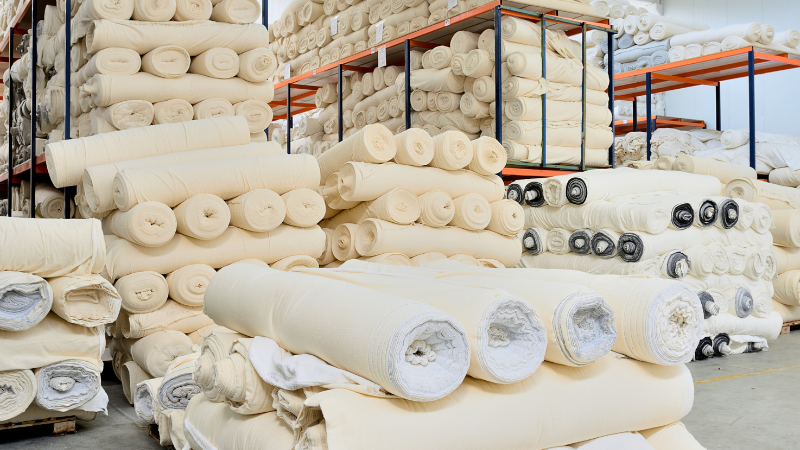
The deception of trying to save money by getting the cheapest cloth usually makes the end product the most expensive. The reason is that, the cost of low quality fabrics is hidden in form of reworks, replacement, high customer refunds and long term harm of poor garment performance. The most important distinction is that cost-effective implies the balance between price, quality and durability, and low-quality means the performance at a lower initial cost.
How to Fix It: Balance Price with Quality
By learning to strike the right balance of price with quality, brands need to change their focus to long-term value. This involves an analysis of customer feedback and returns data to determine the actual long term cost of previous fabrics. Rather than finding the cheapest prices, refer to professionals and fabric exporters in order to find the best quality fabrics that provide the best value without compromising the quality of the fabrics thereby reinforcing long term relations based on trust.
8. Not Aligning Fabric Properties With the Garment’s Purpose

Custom fabrics needs a close consideration of fabric characteristics (e.g., weight, stretch, breathability) to the purpose of the product. Some of the most common errors are to wear some fabrics that are typically used in t shirts in active wear (therefore they lack stretch and wicking), or to wear a heavy, stiff woven fabric in a flowing dress (therefore they do not drape well). The material therefore breaks under real life wear. This results in immediate customer complaints regarding feel, durability or performance.
How to Fix It: Test Performance Conditions
Test fabrics as full sample to ensure optimum performance when subjected to real world conditions. Ask manufacturers about the technical specifics of the fabric construction and the fiber content that can be used in your product category.
You can also proactively interpret customer feedback through feedback loops to find out whether past fabrics have failed because there was a disconnect between what customers expected and so you can use this information to make better fabric selections.
9. Ignoring Quality Control in Bulk Orders
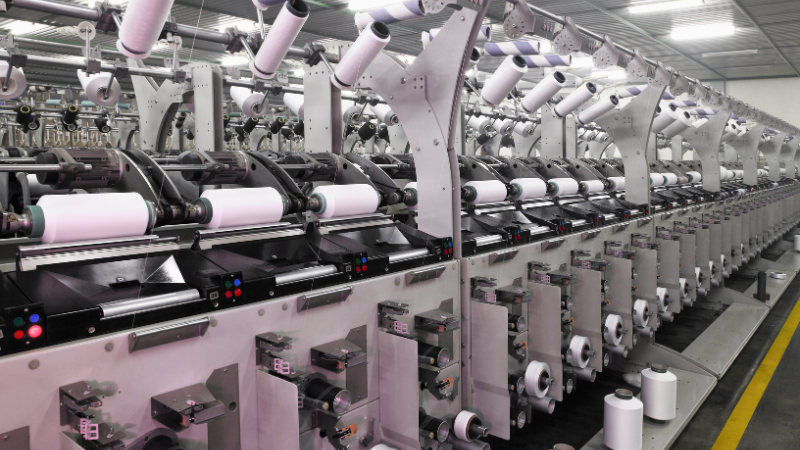
Checking only the first roll and assuming the whole bulk shipment is perfect is a risky game that opens the door to significant danger. This is because typical QC issues such as shade variation (end-to-end or roll-to-roll), irregular stretch, weaving issues or contamination usually happen during a run.
Lack of quality control causes great wastage in production and money loss since when garments are cut out of defective bulk yardage, the fault rate is great, and reworks must be expensive, or the garments discarded.
How to Fix It: Implement Multi-Point QC
Multi-point quality control should be applied by the brands to establish consistency in bulk orders and reduce risk. This involves having your mill to do an inline inspection when weaving or knitting.
The first roll is never to be depended upon. Checks of the sample roll should be randomly done at the middle and at the end of the bulk production run. Lastly, apply a tight QC checklist to check weight, width, fiber content and fabric article number of the fabric on receipt.
10. Failing to Consider Excess Inventory Risks
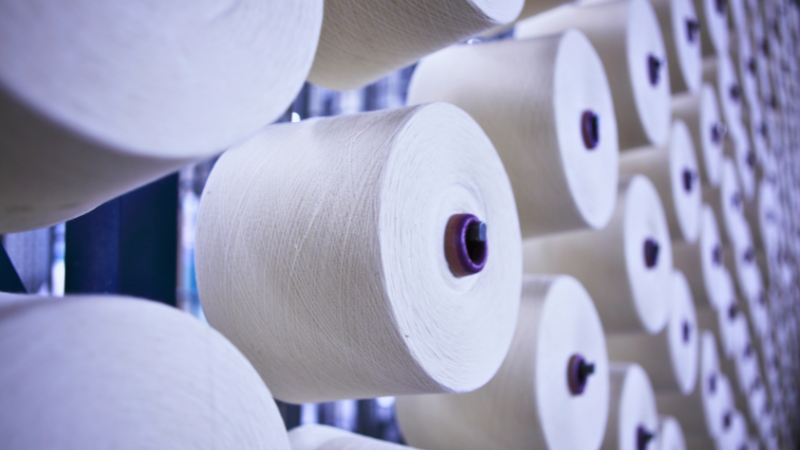
Excessive fabric order is a direct blow to cash flow and future flexibility, which is very costly. The problem is that unused fabric which does not correspond to the next design or has a particular dye lot number turns into dead stock or excess inventory.
This holds up capital (money) that would otherwise be spent in ordering new materials or investing in new designs. The dead stock will eventually have to be sold at a huge discount, which will severely reduce the profit margins, or thrown away, contributing to landfill waste.
How to Fix It: Order Based on Real Data
To control inventory and cushion cash flow, base bulk fabric purchasing on actual known sales information and pessimistic estimates, rather than rosy ones. Plan ranges that will be used in more than one season to utilize the core fabrics, use the remaining bulk yardages. To be most effective, make sure to have a rolling forecast where the order quantities of blended fabrics are always updated according to the latest sales velocity.
11. Poor Communication With Suppliers
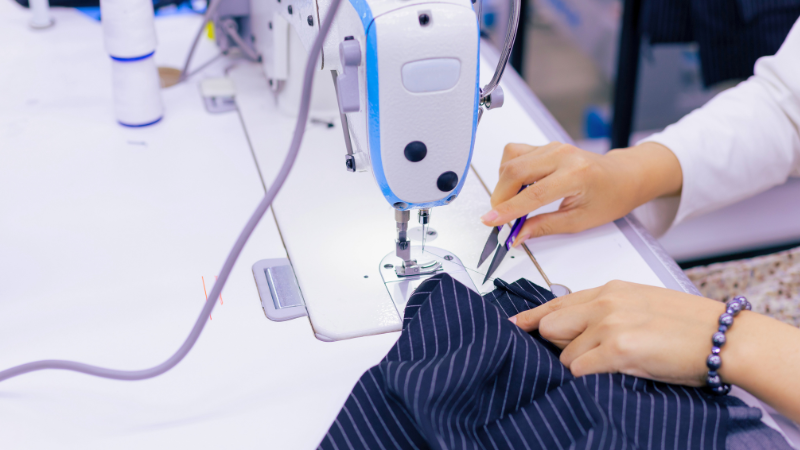
Misalignment of the brand expectations and the output of the manufacturer is caused by vague or incomplete technicalities, which cause avoidable errors. This occurs when lost information in the design file (i.e. not specifying the specific colors, finishes, or treatments) results in the manufacturer defaulting to their general process, which is not necessarily what you want. The natural outcome is a piece of fabric that is not quite right, which has the wrong finished edge, or which does not pass quality tests due to the original specifications not being finalized.
How to Fix It: Clear and Consistent Communication
Effective supplier relations depend on effective and stable communication. Include extensive technical information and detailed specifications sheets on each fabric order. Create one point of contact with your supplier to have the information flows in the right direction. You must also ensure that all final approvals (Lab Dips, sample yardage) and technicalities are confirmed in writing so as to avoid confusion at a later stage in the production schedule.
12. Not Understanding the Market or Customer Expectations
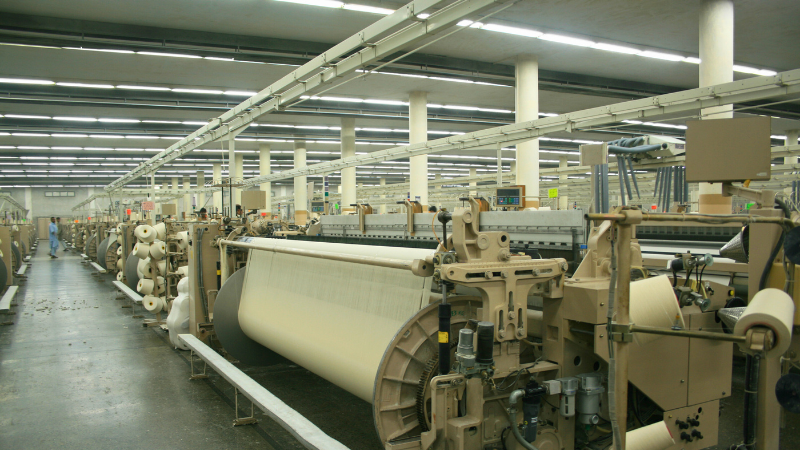
Sourcing decisions should be in line with customer expectations in feel and durability. It is important to know your target market before placing an order of fabrics. Using inappropriate materials destroys brand identity when the fabric is not of the desired quality.
Poor feel, rapid fading, or unexpected shrinkage are the most common types of customer complaints. These negative reviews and high returns destroy trust more quickly than most other factors. The physical touch of the product creates a brand reputation. Not listening to end-users results in unproductive inventory. Designers have to be in touch with the realities of customer usage and laundry.
How to Fix It: Listen to Feedback Loops
To ensure alignment in the market, actively study the market trends to know what materials are used by your competitors at your price level. Be proactive and listen to any complaints that customers have and analyze customer feedback to pinpoint common fabric concerns (shrinkage, pilling, fading) and remedy them in subsequent bulk orders. Most importantly, match the fabric with the customer demand in case your brand is being sold as high-quality t shirts, the fabric should also feel high-quality.
13. Rushing the Sourcing Process
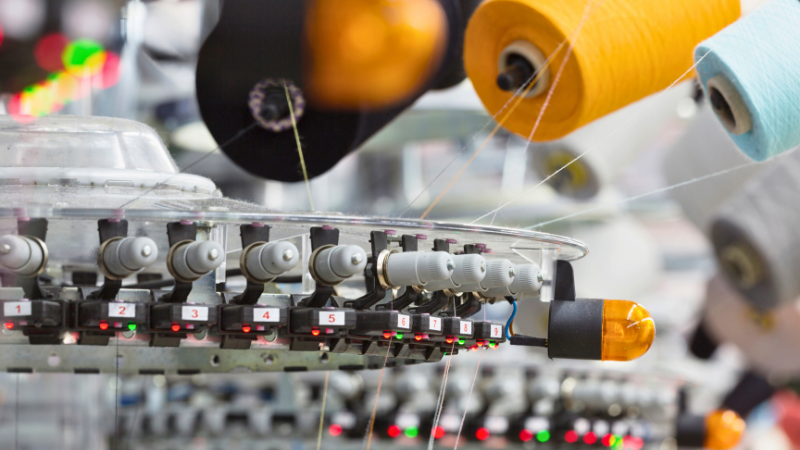
Rushing the sourcing process is a direct conduit to expensive errors and failures that maximize risk. Widely used traps of last-minute fabric sourcing are that you are obliged to take higher MOQs, poor quality, or exaggerated delivery times since you did not leave any room to negotiate or fail. Finally, quick decision making does not often result in proper materials and this creates stress, costly mistakes and inevitable risky and poor quality of fabrics.
How to Fix It: Maintain an Annual Sourcing Plan
To make the fabric sourcing process more professional, have an annual sourcing plan with a strict schedule of when to take samples and when to place bulk orders. Conduct supplier reviews every six months to ensure that the information about possible suppliers is up-to-date and does not have to start all over again. Additionally, create sample books of approved, custom fabrics that can be used as a fast reference and custom-designed apparel in the future.
14. Failing to Build Long-Term Supplier Relationships
The quality and cost stability is compromised by short-term transactional thinking. Suppliers are interested in customers who provide stability and long term relationships and when you treat suppliers as fungible entities, you are losing out on valuable gain. On the other hand, good relations with suppliers result in priority production, shorter lead times, less bargaining over MOQ, and the disposition to handle complex custom fabric developments at a lower price.
How to Fix It: Invest in Long-Term Relationships
Brands should invest in long-term relationships where the suppliers are regarded as real reliable partners, not vendors. Form regular ordering schedules, which will allow the suppliers the opportunity to have regular bulk purchases with suppliers over an extended period to obtain improved pricing levels and delivery periods. Importantly, keep the lines open regarding your brand development strategies and issues to earn each other trust.
Final Thoughts
Effective management of bulk fabric ordering needs methodological planning, technical accuracy, and effective relations with suppliers. The basic rule here is easy to understand: You have to check and confirm all this, before investing your cash flow into bulk yardage.
Avoiding these common pitfalls, such as not planning minimum order quantity moq or having stringent quality control, fashion designers and brands can retain quality, eliminate risk, and find the right supplier to achieve uninterrupted growth. Also, in the future, you can spend less money and protect your manufacturing schedule by investing in sample cloth and technical due diligence.