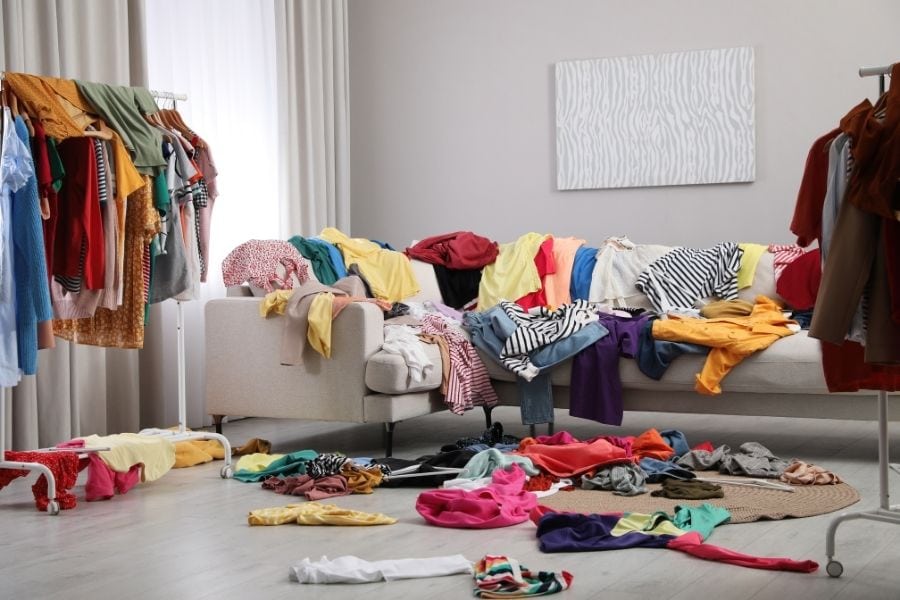
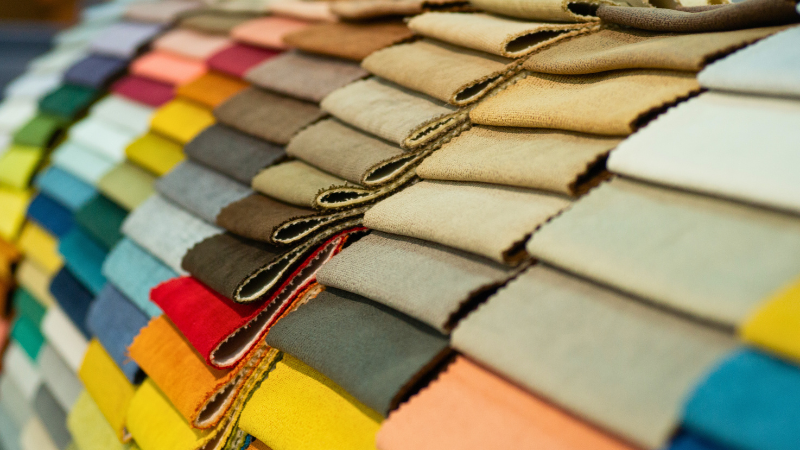
Fashion in 2025 has nothing to do with shape or size. In a way never before seen, fabrics have become a symbol of values. They show whether a brand is pursuing cheap mass production by fast fashion, or if it’s pursuing responsibility by sustainable fashion.
In this article, we will discuss the best fabric trends in 2025-2026, which include sheer fabrics, textured finishes, and bold prints. We will also examine how designers are striking the balance between performance and sustainability, demonstrating to you how these changes are impacting fashion not only in casual clothing and professional lines, but also in home furnishings.
Fast Fashion Fabric Trends
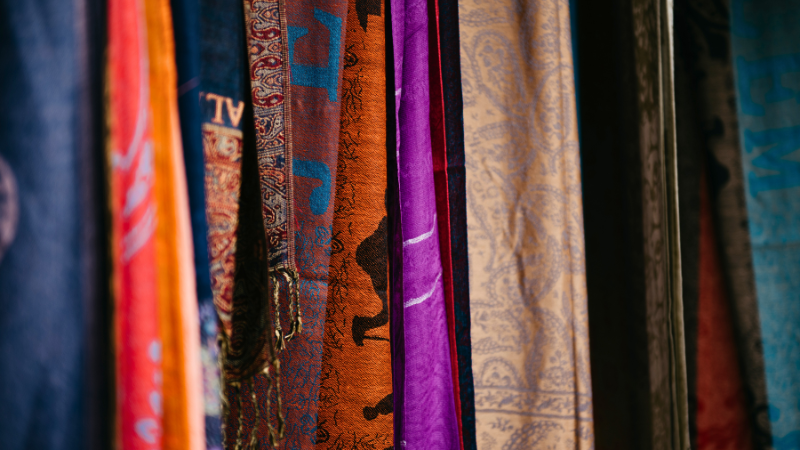
Fast fashion is based on speed, accessibility and novelty. It is about bringing new fashion trends to customers within a short time and at prices that seem irresistible. However, that speed can be at a cost. Although fabrics may be fashionable now, they are not always durable and their manufacturing can have a huge environmental impact.
Looking at the 2025 top fabric trends, it’s apparent that fast fashion fabrics are created to address the needs of immediacy, fast production, fast shipping, and affordability, but fail to perform well in terms of durability and long-term responsibility.
Polyester
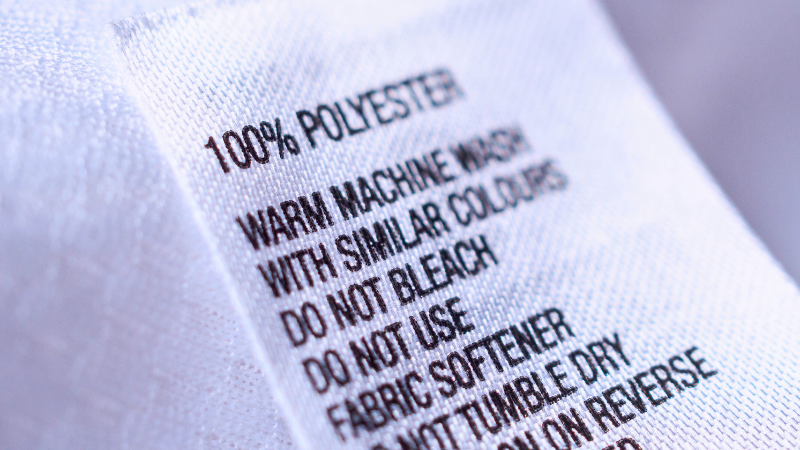
Polyester is the preferred fashion fabric in fast fashion because it is cheap and flexible. It is light, wrinkle-free, and fast to manufacture, which is why it is the preferred one when it comes to casual wear, athleisure, and summer collections.
Owing to its ability to retain color and its durability to washing, it is attractive to consumers and retailers who desire fashionable items on a large scale. Polyester will keep contributing significantly to fast shipping and high inventories in 2026, yet its reliance on oil and inability to biodegrade will further highlight its high environmental cost.
Although recycled polyester has found its way into the discussion, the use of the technology across the fast fashion industry is minimal. Most production is still driven by virgin polyester, which is less expensive and has a reliable output.
Sadly, this costs a lot, since the material is a significant source of microplastic pollution that affects oceans and ecosystems globally. The question that fast fashion is currently grappling with is whether it can adjust the use of polyester so that it can minimize waste without compromising quality or affordability.
Sheer Fabrics and Organza
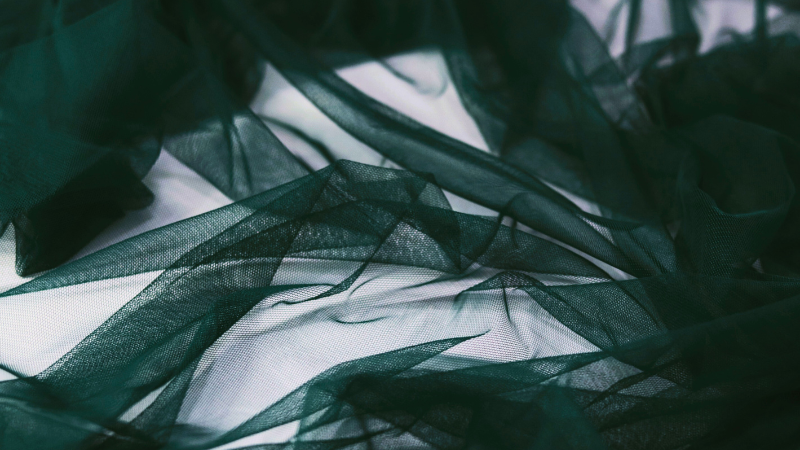
Chiffon, tulle, and organza are among the most popular fast fashion fabrics, admired for their elegance and beauty. They bring movement, fluidity and romance to clothes, which are ideal in formal attire, evening dresses and statement pieces.
Fast fashion brands take advantage of these types of tech-enhanced fabrics by copying the runway-inspired designs and selling them at affordable prices. Sheer fabrics provide an inexpensive means of keeping up with the latest trends for consumers who want to wear stylish and dramatic clothing.
But the majority of the sheer items in fast fashion are composed of synthetic fibers, e.g., polyester or nylon. Although they give the desired appearance, they are not very durable and may wear out in a few wears.
This brief cycle of life adds to the waste problem that is increasing in the industry, strengthening the disposable nature of fast fashion. Since consumers are demanding sustainable fabrics, the question is how to make these trending textiles last longer and reduce their carbon footprint.
Bold Prints and Innovations on Classics
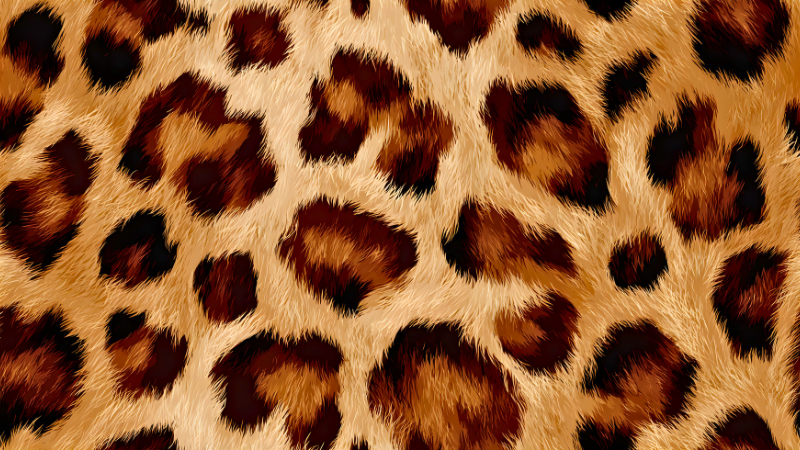
New trends and bold prints are also included in fast fashion and are a core aspect of most collections in 2025. Both cultural heritage-inspired patterns and graphic designs enable brands to design statement pieces that stand out in the saturated markets. Bright prints bring freshness to plain tops, dresses and accessories. Designers who have short deadlines prefer them due to their capability of giving an old silhouette a new twist.
The negative side is that bold prints are usually based on dyeing and printing, which requires a lot of water and chemicals. This adds to the carbon footprint of the industry, which makes the process costly to the environment.
Although these trending fabrics provide fast access to store shelves, their manufacturing process is being questioned by environmentally conscious customers. In response to this, sustainable options such as digital printing and eco-friendly dyes are beginning to be implemented as a mechanism of maintaining the vibrancy and not destroying the environment.
Sustainable Fabric Trends
Sustainable fabrics are no longer a niche, but they are occupying the center stage in fabric trends in 2025 as consumers seek more accountability. These materials are not only able to reduce the ecological footprint but also increase the functionality, design, and naturalness of modern collections.
Designers are gravitating towards natural materials, recycled products and tech-enhanced products that combine both performance and responsibility. The following are some of the sustainable fabrics that will influence fashion in 2026 and their significance.
Organic Cotton
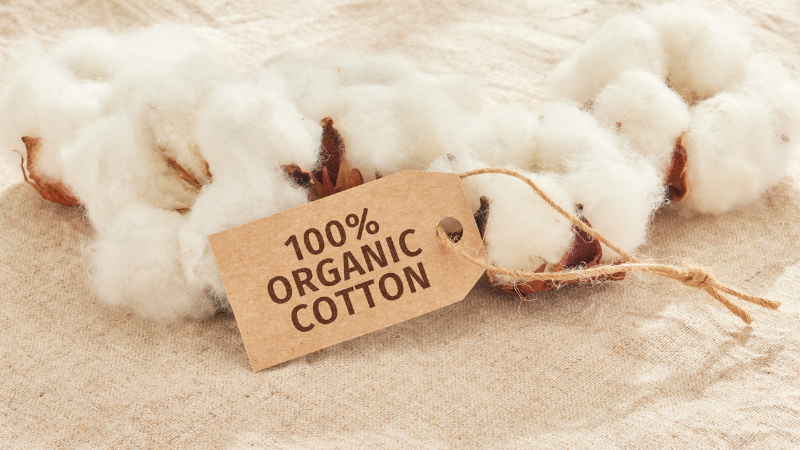
Organic cotton has become the most sustainable fabric, which has transformed contemporary wardrobes. It does not use toxic pesticides and fertilizers, which are harmful to soil health, water resources, and the health of farmers, as opposed to traditional cotton. Its light and airy quality makes it a popular cloth to wear in casual and quilt work and in baby clothes too where comfort and safety are of great importance. Organic cotton has become a trusted cloth that many consumers can rely on over the seasons.
Designers are also exploring new ways to expand its usage. They combine organic cotton and elastane to make stretchable fabrics that can be used in loose-fitting garments such as athleisure. Combining it with recycled fibers makes it eco-performing without losing quality, which makes it appropriate in both casual collections and business attire. As consumers become more concerned with sustainable materials, organic cotton will continue to be a trend in the fashion fabric in the coming years.
Hemp
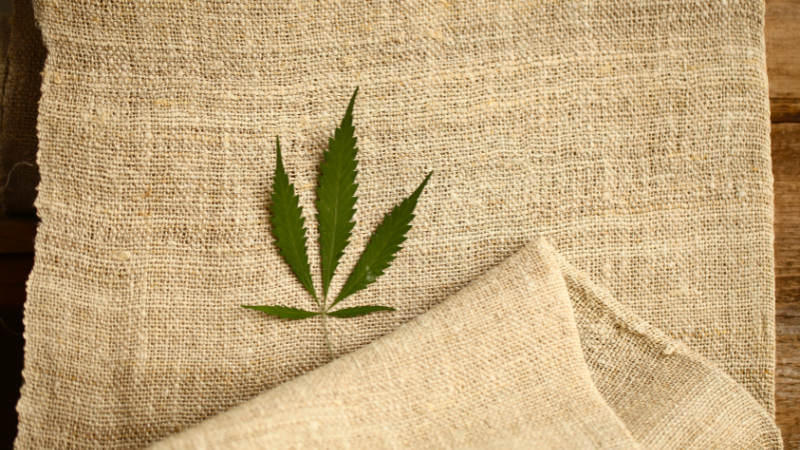
Hemp is an ancient and sustainable textile fiber, and it is becoming one of the most popular fabrics being used today. The plant grows rapidly and consumes little water. It does not need pesticides and even enhances the soil quality, which makes it one of the most environmentally friendly crops.
The end product is a powerful, breathable, and, of course, moisture-wicking fabric, and it can be used in a variety of clothing items, including not only casual style and outdoor wear but also adding a modern twist to fashionable accessories.
Designers like hemp because of its versatility and durability. It can be woven into fine, reliable fabrics that are usually worn in jackets, mixed with cotton to be soft, or even mixed with silk to be more elegant in its drape.
Hemp is also simple to wear and frays over time but does not diminish in strength, and hence the best option to consumers who require comfort and durability. As the concept of sustainability gains popularity in the fashion industry across the globe, one of the natural fabrics that can be utilized to deliver performance, style, and responsibility is hemp, which demonstrates that eco-friendly fabrics can be trendy and practical.
Tencel (Lyocell)
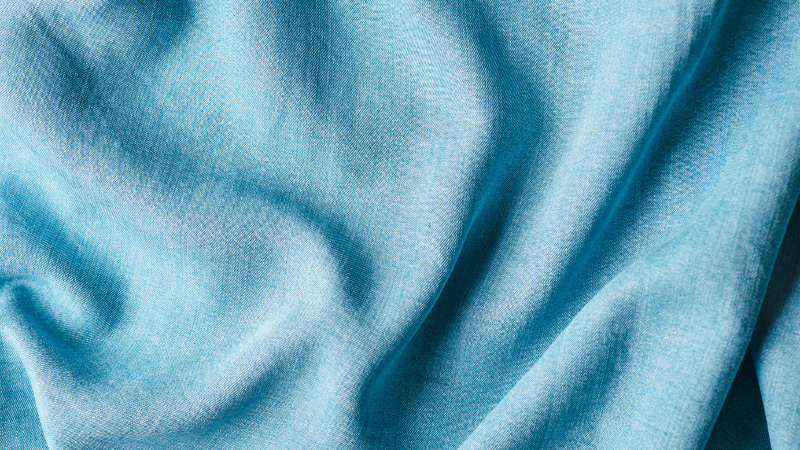
Lyocell or Tencel is rapidly emerging as one of the leading trends in sustainable fashion. It is made out of wood pulp, typically of eucalyptus or beech trees, but it is manufactured in a closed-loop process that recycles water and solvents, and is therefore one of the most environmentally friendly textiles in the market today. Designers like Tencel due to its feel, breathability and moisture-wicking qualities which make it a great fit in casual, active, and even formal wear.
Tencel is biodegradable as opposed to many other synthetics and is incredibly soft to the touch against the skin, providing the consumer with a feeling of comfort and a sense of ease. Its adaptability also enables it to be easily integrated with other sustainable fabrics such as organic cotton or hemp and make collections have a contemporary touch without compromising on responsibility. In 2026, Tencel will become a star product as customers will require fabrics that will combine luxury touch with environmental friendliness.
Bamboo Fabric
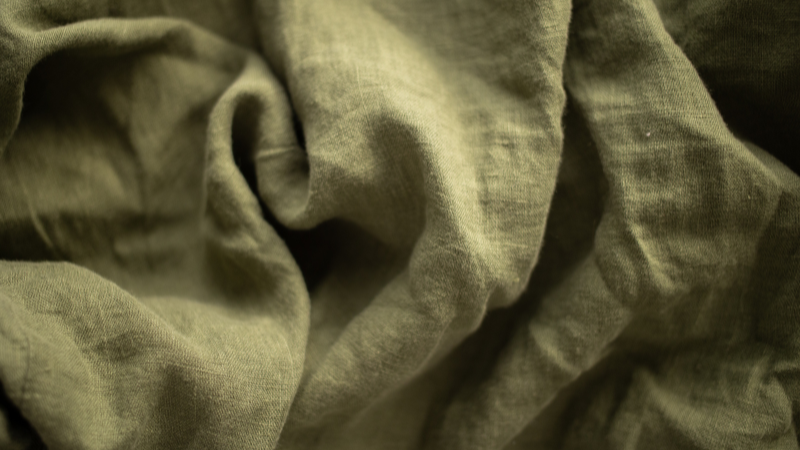
Bamboo is becoming one of the most environmentally-friendly materials that is transforming the textile industry. It is a low-impact crop that facilitates production that is environmentally friendly, as the plant grows fast without using pesticides or extensive irrigation. Bamboo fabric is soft, breathable, and naturally moisture-wicking by nature, which makes it comfortable and versatile, good enough to wear around the house, lounge, and even bed.
Bamboo is attracting more designers due to its contemporary combination of sustainability and performance. It contains dye, does not wrinkle, and has a silky drape that gives a touch of class to regular clothes and dresses. Bamboo is no longer on the fringe of the fashion industry in the niche market, but rather the new trend in the mainstream, as sustainability gains prominence and proves that style, comfort, and environmental responsibility can coexist in trend forecasting collections.
Textures and Aesthetics
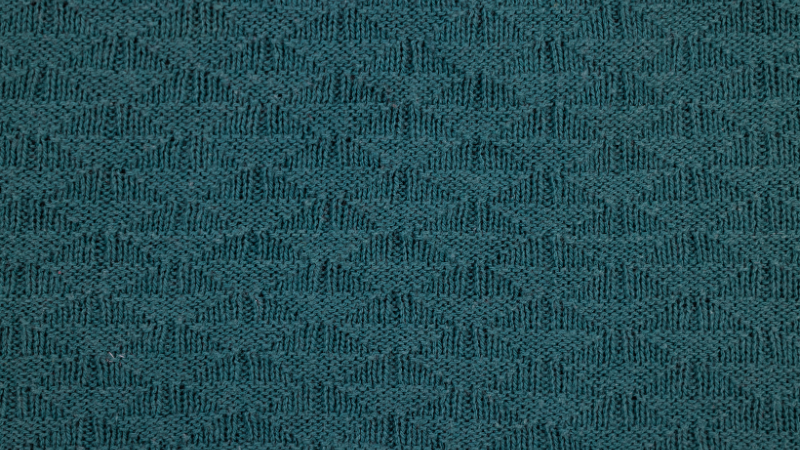
Fashion does not simply involve color or silhouette, but also texture and feel. Fabrics that bring richness and personality are being adopted by both designers and consumers to make plain garments or decorations into statement pieces. These options are playing the leading role in collections, whether it is airy, elegant fabrics or textured fabrics that add weight and versatility.
Textured Fabrics
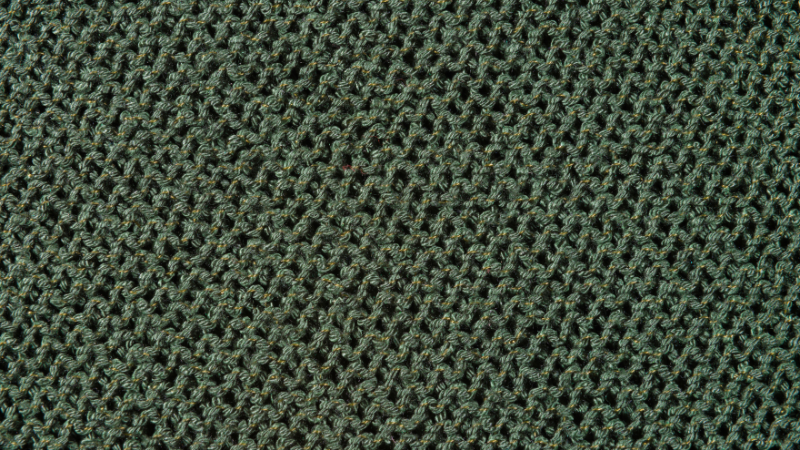
Customers are also becoming attracted to textured fabrics that add volume without the use of bulky adornments. Textures like velvet, corduroy, and quilted fabrics are some of the trending textures in fashion and interior design that bring a sense of richness and elegance. They bring personality to clothes and also decorate interiors using items such as accent pillows and quilting projects.
Textured fabrics give designers the ability to make cross collections. Quilted clothes are casual with a contemporary touch, whereas velvet remains an indicator of luxury in evening clothes and accessories. Corduroy, which was purely utilitarian, is being reengineered into fashionable daily wear that can be worn in relaxed lifestyles. When designers embrace the use of texture, they end up with fabrics that are not only attractive to the eye, but also touchable and trustworthy.
Soft Elegance and Sheer Layers
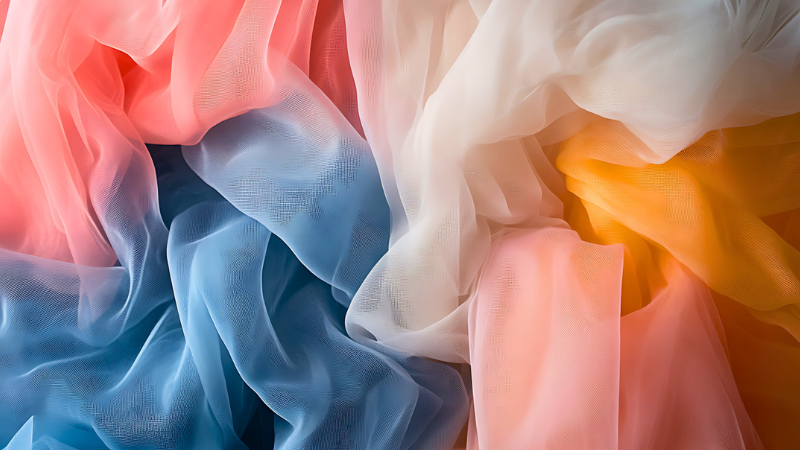
Lightweight fabrics such as chiffon, mesh and organza will continue to be at the forefront in fashion fabrics, especially in spring-summer collections. Their airy and lightweight properties add gentle sophistication to clothes, which makes them an easy choice in terms of formal attire, layering, and accessories. Sheer layers create movement and depth without being heavy, which is appealing to consumers who desire to wear clothes that are lightweight and comfortable. The sheer fabrics are so popular that transparency can still be sophisticated.
Designers are also combining sheer layers with natural materials in order to achieve a balance between sustainability and aestheticism. For example, fabrics such as silk and cotton can be fashioned and used with additional layers of organza, cotton and mesh, respectively. To the consumers, the sheer fabrics no longer carry the status of being all glamor and have now taken the place of being versatile and progressive..
Consumer Behavior
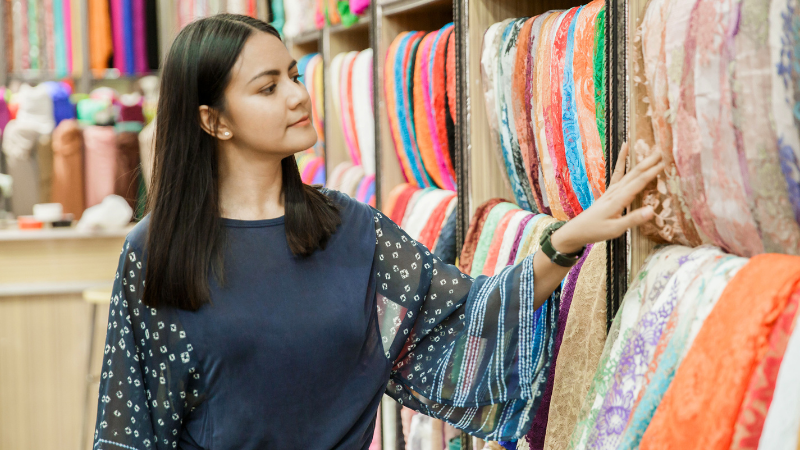
The modern consumers are more knowledgeable, discriminating and demanding than ever before. They desire fabrics that are fashionable, comfortable and sustainable without sacrificing quality. The following are the expectations of various categories of consumers over the next few years:
- Casual Wear Shoppers: They desire breathable, soft and moisture-wicking clothes to keep up with active and on-the-go life. Organic cotton blends with hemp and recycled polyester are also demanded because they are comfortable, versatile and environmentally performing. Customers want clothes that can pass between casual daytime style and evening outfits without distorting or losing their shape or beauty.
- Formal Wear Buyers: This segment requires luxury materials like silk, velvet and satin but with a contemporary twist that incorporates both glamour and responsibility. Ethical sourcing and alternatives such as the peace silk are being taken seriously as consumers are asking how these fabrics are produced. They desire clothes that shine with style and also have a touch of sustainability.
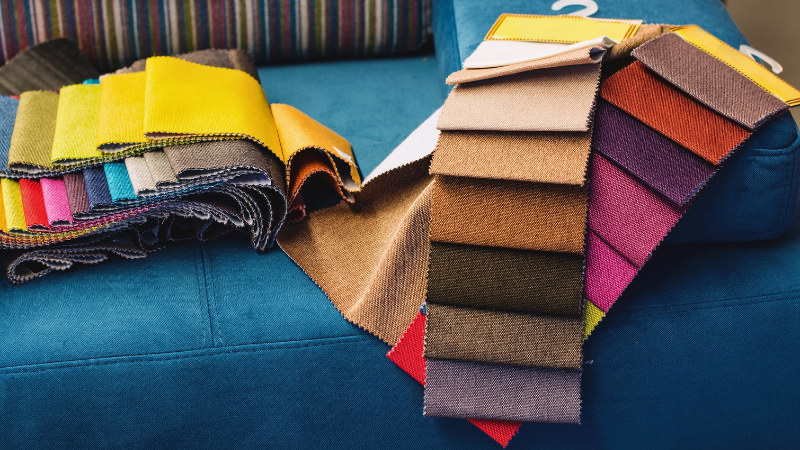
- Home Décor Enthusiasts: It is not only about clothes, but home decor buyers need fabrics to provide texture, depth, and dependability. Accent pillows, quilting projects, and upholstery are in vogue in the form of velvet, corduroy, and quilted fabrics. In addition to the style, they seek green materials, which are in line with the sustainability principles they desire in fashion.
Conclusion
Customers in casual wear do not want to sacrifice comfort or sustainability, but instead demand breathable and moisture-wicking fabrics that can keep pace with hectic schedules. Formal wear customers continue to value style but want it to be accompanied by social responsibility and sustainability, which proves that glamour and responsibility can be combined.
The message is the same in all categories; buyers are no longer distinguishing between style and sustainability. They require textiles that reduce environmental footprints and make life more reliable, comfortable and beautiful. Clothing is not just what you wear anymore, but it is evidence of what a brand is and what customers appreciate. The companies, which will fulfill these expectations, will not only sell goods, but also develop trust, create loyalty, and define the future of fashion.